Most homeowners don’t spend much time thinking about their roof until something goes wrong. Then the questions come fast. Is it better to replace it now or wait until spring? Will it cost less in the winter? Am I making a mistake if I hold off?
The good news is that a roof can be replaced successfully during almost any season. The better question is whether your roof can afford to wait.
This guide breaks down the best time of year to replace a roof, how each season affects installation, when you might save money, and the warning signs that mean delaying the project could end up costing more than replacing it now.
Table of Contents
- What Time of Year Is Best To Replace a Roof?
- What Is the Cheapest Time of Year To Get a New Roof?
- Benefits of Replacing a Roof in Each Season
- Downsides of Replacing a Roof in Each Season
- When You Should Not Wait for the “Best” Time of Year
- If the Time To Replace Your Roof Is Now, Contact Apex East Roofing for a Free Inspection and Estimate Today
What Time of Year Is Best To Replace a Roof?
For many homes, fall is considered the best time of year to replace a roof. Cooler temperatures help roofing materials install properly, crews can work comfortably, and the weather is often more predictable than during other seasons.
But that doesn’t mean fall is the only good time to replace your roof.
At Apex East Roofing, roofs are installed throughout the year unless snow makes it unsafe to work. A quality roofing contractor knows how to adjust installation methods based on seasonal conditions and monitor the weather to keep your project on track.
The best time to replace your roof depends on several factors, including:
- The current condition of your roof
- Whether you have an active leak or storm damage
- The type of roofing material being installed
- Weather conditions during your project
- Your schedule and your contractor’s availability
If your roof is nearing the end of its expected lifespan but is still in good condition, you may have some flexibility to choose the season that works best for you.
On the other hand, a roof with active leaks, missing shingles, or structural damage shouldn’t be put off simply because another season seems more convenient.
A free inspection can help determine whether replacing your roof now is the better decision or if waiting a few months makes sense.
What Is the Cheapest Time of Year To Get a New Roof?
Winter and late winter are often the least expensive times to replace a roof because demand tends to be lower. Some contractors may have greater scheduling flexibility during slower months, but pricing varies by company, material costs, and your roof’s condition.
Many homeowners assume waiting for the cheapest season will automatically save money. In reality, material prices don’t always follow the calendar, and labor costs can vary from year to year.
The biggest opportunity to save money often comes from avoiding additional damage. A small leak that goes unrepaired for several months can lead to rotten roof decking, damaged insulation, stained ceilings, or interior water damage, all of which add to the overall project cost.
If your roof is already showing signs of failure, delaying replacement in hopes of saving a little on installation can easily become the more expensive option.
Benefits of Replacing a Roof in Each Season
Spring
Spring gives you a chance to catch problems that winter left behind.
Strong winds, heavy rain, and freezing temperatures can loosen shingles or expose small leaks. Taking care of those issues in the spring can help you avoid bigger headaches once summer storms roll in.
Summer
Summer’s longer days often help roofing crews keep projects moving.
Early summer is especially ideal before the hottest weather arrives. If your roof is in good shape but nearing the end of its life, now is a great time to replace it before another season of storms.
Fall
If your roof has been hanging on for a while, fall is often the sweet spot.
Cooler temperatures create great conditions for installation, and replacing your roof before winter means you don’t have to wonder how it’ll handle the next cold snap or heavy rain.
Not sure if your roof can make it through another season? Residential roofing experts can provide honest recommendations, photos of what we find, and clear guidance on whether it’s time to replace your roof or if a repair will do the job.
Winter
Winter roof replacements are more common than many homeowners realize.
At Apex East Roofing, we install roofs all year long unless snow makes it unsafe to work. Winter can also mean more scheduling flexibility, so if your roof is leaking or storm damage has already found its way inside, there’s often no reason to wait until spring.
Downsides of Replacing a Roof in Each Season
Spring
Spring weather doesn’t always cooperate.
Rain, high winds, and wet conditions can delay installation or push projects back a day or two. It’s also a busy time for roofing companies responding to leaks and winter damage, so schedules can fill up quickly.
Summer
Summer heat can be tough on both people and roofing materials.
On especially hot days, crews may start earlier to avoid peak afternoon temperatures and keep installation quality high. Late-summer thunderstorms can also create unexpected scheduling delays.
Fall
Fall is the busiest roofing season for a reason, which also means appointments can disappear fast.
If your roof already has missing shingles, leaks, or signs of age, don’t wait until the weather turns colder to get on the schedule. Apex East Roofing can help you understand how much life your roof has left and whether it’s better to replace it this season.
Winter
Winter can make roof replacement more challenging.
Cold temperatures, shorter daylight hours, wind, and icy conditions can slow down or postpone work. Certain roofing materials also require extra care during installation. Even so, winter replacement is often possible when conditions are safe. A professional inspection can help determine whether your roof needs immediate attention or if waiting for milder weather is the better option.
When You Should Not Wait for the “Best” Time of Year
If your roof is already beyond normal wear and tear, waiting for cooler weather or a better price can give water more time to cause damage. Even a small leak can spread beneath the shingles, soaking the roof decking before you notice anything inside.
Don’t put off an inspection if you notice:
- Water dripping into your home
- Missing or lifted shingles after a storm
- Sagging areas along the roofline
- Damaged flashing around chimneys, skylights, or vents
- Dark ceiling stains or peeling paint
- Mold or musty odors in the attic
- Granules collecting in your gutters
- Repairs becoming more frequent
One issue doesn’t automatically mean you need a new roof. In many cases, a repair is still the right solution. The sooner you know what you’re dealing with, the more options you’ll likely have.
A professional inspection can answer the questions every homeowner wants to know: Can this roof be repaired? How much life is left? Is it safe to wait, or is replacement the smarter investment?
Those answers are worth getting before the next storm rolls through.
If the Time To Replace Your Roof Is Now, Contact Apex East Roofing for a Free Inspection and Estimate Today
Replacing a roof is a big decision, and you deserve to know exactly what you’re paying for before the first shingle comes off.
That’s why every Apex East Roofing project begins with a free inspection. If a replacement is the right move, you’ll understand why. If your roof still has years of life left or only needs a repair, they’ll tell you that, too.
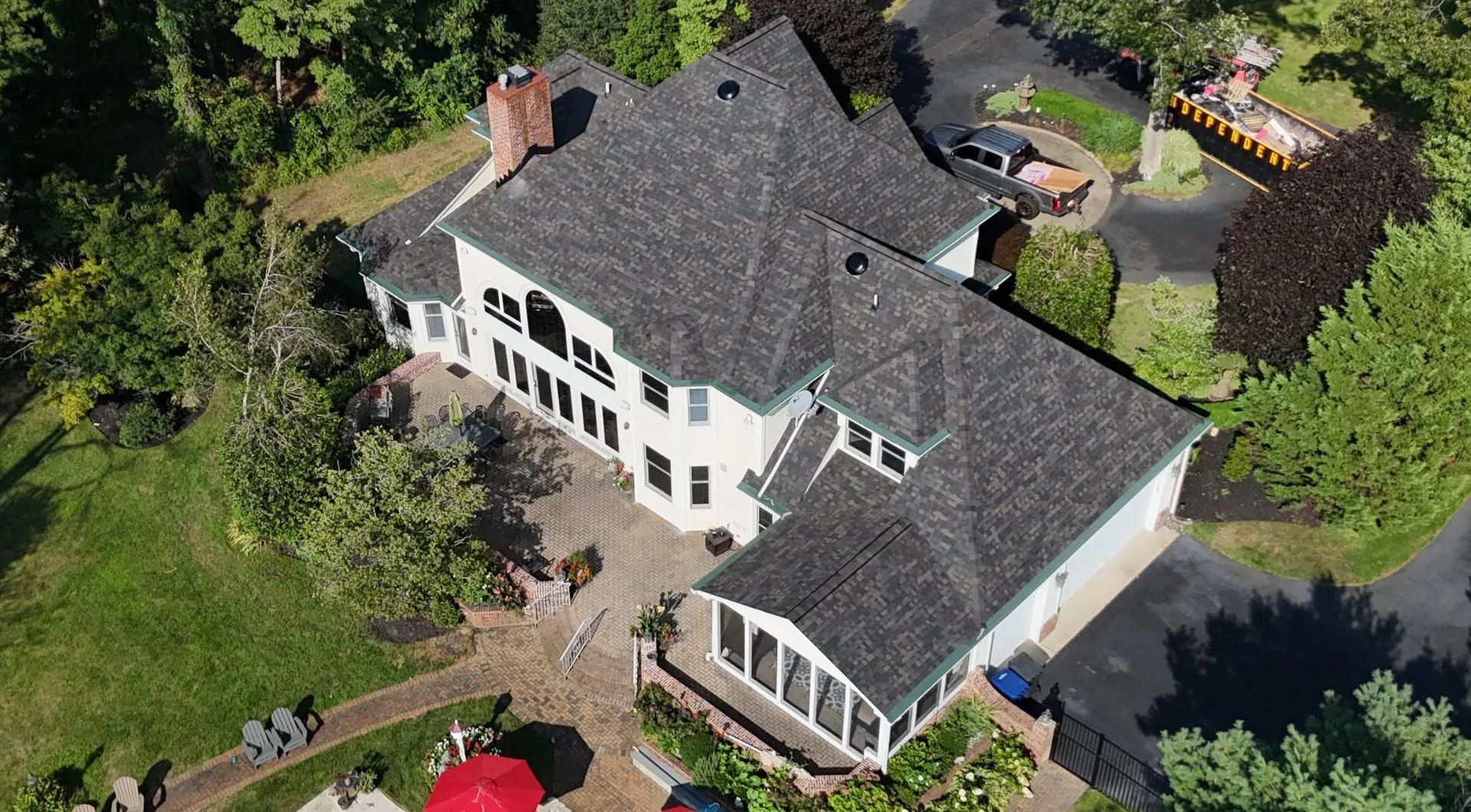
During your project, you’ll stay informed every step of the way with progress photos, videos, and drone imagery showing what’s happening above your ceiling. It’s one of the many ways Apex East Roofing has earned a reputation as a trusted roofing contractor across South Jersey.
Whether you’re planning ahead or dealing with a roof that can’t wait, contact Apex East Roofing today to schedule your free roof inspection and estimate. You’ll get straightforward advice, clear communication, and the information you need to make the right decision for your home.