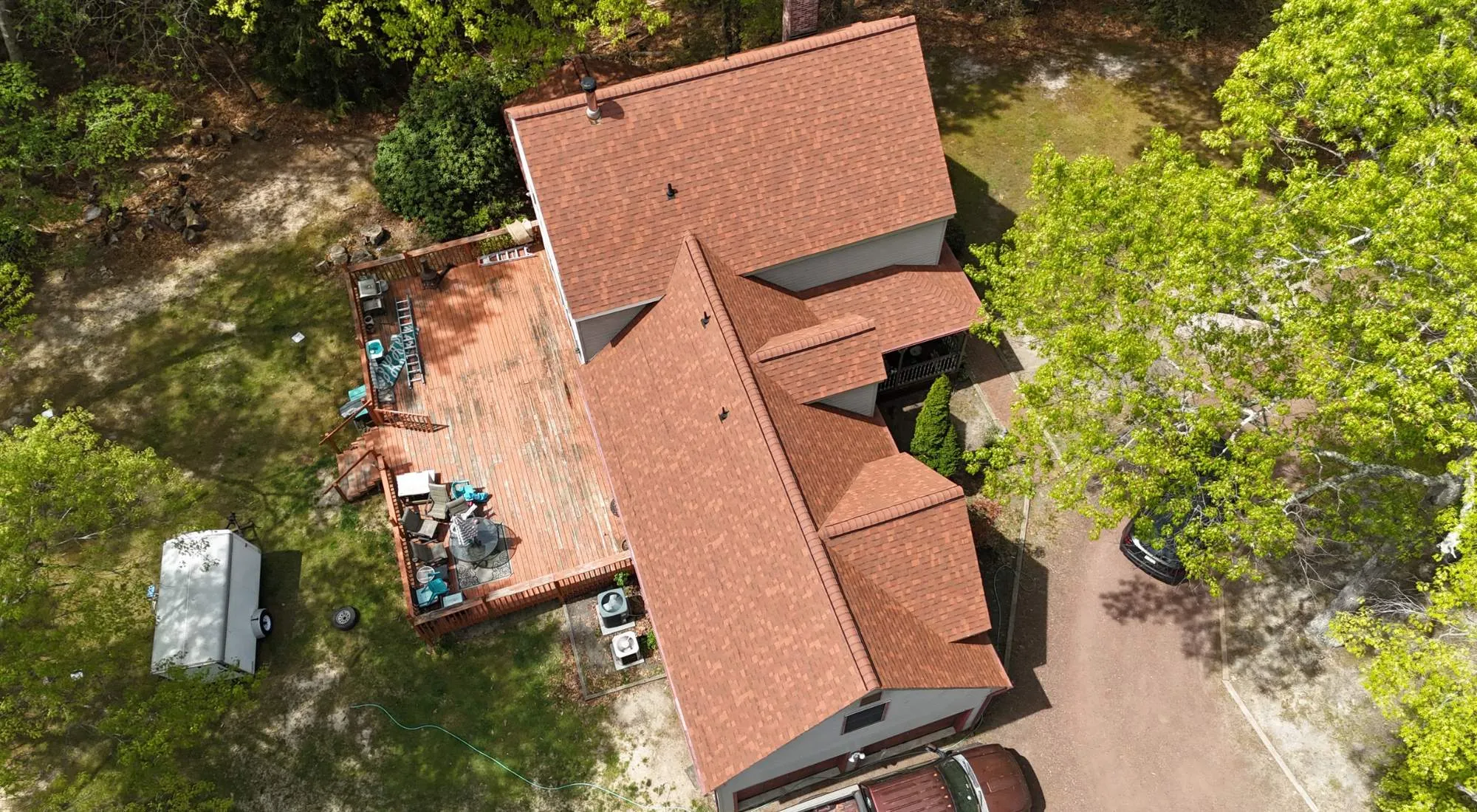

Roof replacement and restoration on a historic home is a major undertaking. You need to tread carefully when renovating to preserve the home’s original architectural character and avoid structural and material damage. To avoid these pitfalls, you don’t want just any roofer meddling with your roof.
Who can you trust to renovate your roof, and how do you find them? With a little research, you can find a trustworthy, competent, experienced roofer to handle your historic home roof renovation and feel confident it’s in good hands.
Here, Apex East Roofing outlines how to choose a qualified roofer for historic homes and explains why a qualified roofer is a tremendous boon to your renovation experience.
How Do I Choose a Qualified Roofer for My Historic Home?
Meet the roofer in person to get a feel for their attitude and approach to the job, whether it’s repairing or replacing your roof. Ask questions about their experience with historic homes and different materials. Request evidence of their credentials and previous projects. Once you’ve gathered this information from a few businesses, you can make an informed decision.
Apex East Roofing has everything you’re looking for in a professional roofer: experience, certification, credibility, and forthrightness. Call us today to schedule an inspection to determine the state of your roof and make a plan for its renovation.

How To Know if a Roofer Is Reputable
To ensure a roofer is reputable, verify their credentials are active by visiting state or local registries and read client reviews and complaints. Ask for insurance certificates and call their insurer to confirm they are insured.
If you get as far as an initial inspection with a particular roofer, pay attention to how they conduct themselves. A good roofer should:
- Personally inspect the roof.
- Walk you through what is wrong with your roof and options for repair.
- Be upfront about pricing.
5 Characteristics of a Roofer Qualified To Work on a Historic Home
#1: Experience With Historic Homes
Trusting someone with your historic home’s roof isn’t just a matter of finding a good roofer. You need someone who can work skillfully on historic homes. Maintaining the architectural aesthetic is one of the major challenges of roof restoration on a historic home because:
- Roofing techniques have changed: Modern techniques can be detrimental to the roof’s weight-bearing capacity, water-shedding features, and attachment to the structure as a whole.
- There are different standards of functionality: Modern roofs must be weather-resistant, energy-efficient, strong, and durable. Attempting to meet the high standards of safety and energy performance may damage the older structure.
- Each historic home is unique: While it’s important to meet quality standards, a roofer should be able to do so without compromising the unique characteristics of the home.
- Older homes are more susceptible to damage: The roofer must be able to thoroughly assess the roof for damage (such as structural weakness or dry rot) and determine how to repair it before restoring the roof. Repairs that undermine the strength of the original structure will threaten the reliability of any roof work performed afterward.

#2: Familiarity With Your Roof’s Original Materials
Asphalt shingles have been the go-to for most roofing solutions for about a century, but they didn’t come into widespread use until 1911. Before that, other materials were used, including:
- Clay tiles
- Slate
- Wooden shingles
- Metal
Each of these requires special skills to install. If the materials are not readily available, your roofer may have access to other materials that closely resemble the appearance of the original roof. Get in touch with your local historic preservation office to confirm a particular substitute complies with the requirements for historic home renovation. A historic home roofer should be comfortable navigating the approval process for materials and installation.
The roofers at Apex East Roofing regularly install metal roofs on rustic-style historic homes, or architectural shingles, for a convincing imitation of historical materials.
#3: Good Reputation
You want real evidence that your roofer is reliable and their craftsmanship is prime. Does the roofer you’re considering have a good reputation among historic homeowners? Find out by reading several reviews, and ask to examine a portfolio of historic homes the roofer has worked on in the past. Only consider hiring a roofer you can confidently judge to be trustworthy and adequately skilled.
#4: Verifiable Credentials
Certifications and credentials indicate a roofer strives to deliver high quality. Requirements for roofing certification vary by location and project type, so it’s important to be aware of those relevant to your area and roofing needs.
Your roofer should have comprehensive insurance, including:
- General liability
- Workers’ compensation
- Commercial auto
- Excess liability
Ask for a Certificate of Insurance (COI) and call to verify it’s in effect.
Participation in a professional organization is also a good sign. The National Roofing Contractors Association is a U.S. group that offers ongoing support to promote safety and skill growth among roofers. There are also specialty groups with a narrower focus, such as the Metal Construction Association. An especially trustworthy roofer may have been Haag-certified by receiving rigorous training in accurate roof damage assessment.
#5: Open Communication
We’re all acquainted with that feeling of vulnerability when we have to trust a professional’s word about something that’s not our area of expertise. We want to make informed decisions without fear of being hoodwinked.
If it feels like a roofer wants to keep you in the dark, he may be taking advantage of your ignorance. A trustworthy roofer will communicate clearly and openly, helping you understand more about your roof than you did before. You should receive information about costs upfront, periodic updates as the project moves forward, and thorough answers to any questions you might have about the process.
For historic homes, communication also extends to posterity, which will be interested in the precise measures taken to preserve the structure. For this reason, a roofer of a historic home should be prepared to carefully document their work.
5 Advantages of Choosing a Qualified Roofer for Historic Homes
#1: Authentic Appearance
When a historical structure is renovated in too modern a fashion, it ceases to elicit the same sense of admiration. A roofing professional experienced in working on historic homes stays faithful to the original appearance, so your 1890s home doesn’t look like a strange hybrid, but a true Progressive Era dwelling.
#2: Energy Savings
A competent historic home roofer doesn’t have to sacrifice modern functionality standards for an authentic appearance. Energy-saving features, such as air circulation vents, insulation, reflective surface materials, and waterproof membranes, can be securely incorporated into the roof without damaging the overall aesthetic.
#3: Longer Lifespan
A qualified roofer can improve the structure’s longevity by ensuring that the roof has:
- Adequate ventilation and drainage features
- Period-matching materials that are compatible with the rest of the structure
- Regular inspections and repairs
#4: Compliance With Historic Home Guidelines
Your home may not be on the National Register of Historic Places or a State Historic Preservation Office, in which case you have more leeway in what you’re allowed to change.
If your home is on the Register, check the home renovation guidelines. Failure to do this could result in your home being removed from the list. Perhaps you’ve read the guidelines and are still unsure. An experienced historic home roofer can interpret the guidelines and handle the details for you.
Apex East Roofing is the highly qualified roofer you’re looking for. Contact us for more information about our capabilities with historic homes.
#5: Assurance of Quality Work
Your historic home isn’t in a museum, but you still want to ensure renovation will treat it as the impressive artifact it is. From initial inspection and material sourcing to installation and final inspection, a qualified roofer will ensure each step is carried out with excellence, accuracy, and thoroughness.

Apex East Roofing: South Jersey’s Choice for Qualified Roofing of Historic Homes
Apex East Roofing is becoming an artifact itself, with multiple generations of experience allowing us to give our clients in South Jersey the most competitive service. Our array of certifications attests to our continuing efforts to provide the best in roofing, and we’re committed to always keeping the customer informed.
Whether your historic home’s roof needs to be repaired or replaced, we have the tools and expertise to get it done. Call us today to discuss how we can help you in your renovation goals.