That ceiling stain might be telling a bigger story.
You spot a brown mark spreading across the ceiling near the chimney, but the shingles look perfectly fine. So, where’s the leak coming from?
Meet the unsung hero of your roof: flashing. These thin strips of metal seal vulnerable spots and guide water away from chimneys, walls, and roof joints. In New Jersey, where roofs face everything from driving rain to snow and ice, flashing works overtime to keep your home dry.
This guide breaks down where flashing belongs, why it fails, and how to tell when it’s time to call a roofing pro. Because when it comes to protecting your home, the smallest details can make the biggest difference.
Table of Contents
- What Is Roof Flashing?
- Types of Roof Flashing and Where Each One Goes
- How To Choose the Right Roof Flashing Material
- 3 Reasons Why Roof Flashing Fails
- Signs Your Roof Flashing Is Failing
- Commonly Asked Questions About Roof Flashing
- When To Inspect Your Roof Flashing
- Contact Apex East Roofing for Your Flashing Inspection Needs
What Is Roof Flashing?
Roof flashing is a thin, waterproof metal (usually aluminum or galvanized steel) that gets installed wherever the roof is interrupted or two surfaces meet. Shingles shed water across the open slopes. Flashing handles the joints.
People often confuse flashing with shingles or gutters. Shingles cover the roof surface, gutters carry water off the edge, and roof flashing seals the transitions in between.
Most of it sits out of sight until something goes wrong so sometimes it can be difficult to know how the flashing on your roof is performing.
Not sure what’s going on around your chimney or vents? Call Apex East Roofing today to request a free inspection, and we’ll check the flashing and send photos documenting our findings.
Do I Need Flashing on My Roof?
Yes. Flashing goes wherever the roof is interrupted, including:
- Chimneys
- Skylights
- Valleys
- Vents
- Roof-to-wall transitions
Those joints get tested often, and without flashing, water runs straight into your home during South Jersey’s nor’easters, coastal humidity, and freeze-thaw swings. Building codes generally require flashing, and the National Roofing Contractors Association treats it as a core part of any roofing system.
Types of Roof Flashing and Where Each One Goes
Step, Counter, and Kick-out Flashing
Wherever a roof meets a wall, chimney, or dormer, step flashing does the work. It consists of individual L-shaped pieces of metal woven between shingle courses, with each piece overlapping the one below. Counter flashing is the cap piece that covers the top edge.
At the bottom of a roof-to-wall transition, kick-out flashing sends water into the gutter instead of down the siding. It’s small, and it’s often missing on older Northfield-area homes.
Valley Flashing and Drip Edge
Valley flashings are the V-shaped joins between two slopes, and they carry concentrated runoff during heavy South Jersey storms. Metal in the valley keeps that water moving down instead of under the shingles.
Drip edge lines the eaves and rakes to allow water to drip clear of the fascia and decking.
Vent Pipe, Skylight, and Chimney Base Flashing
Vent pipe, skylight, and chimney base flashing are essential roofing components that help prevent water from entering the home:
- Vent pipe flashing seals around roof vents.
- Skylight flashing protects the edges of skylights.
- Chimney base flashing creates a watertight seal where the chimney meets the roof.
Proper installation and regular inspection of these flashing systems help prevent leaks, water damage, and costly roof repairs.
How To Choose the Right Roof Flashing Material
The right material depends on the roof type and how close the home is to the coast. Common options include:
- Galvanized steel: Sturdy and widely used
- Copper: Long-lasting and costs more
- PVC: Often used around pipes and penetrations
- Aluminum: Affordable and resists rust in most climates, but it can corrode with salt exposure, which matters in shore towns
Material compatibility matters too. When dissimilar metals touch, such as aluminum against copper fasteners, galvanic corrosion occurs and the metals can eat away at each other. Fasteners should match the flashing.
3 Reasons Why Roof Flashing Fails
#1: Installation Errors
The most common cause of roof flashing failure is improper installation. Typical mistakes include:
-
- Exposed nails that create leak points
- Caulk used in place of proper installation
- Missing kick-out flashing
- Pieces that aren’t overlapped, allowing water to flow over a seam instead of under it
#2: Sealant Breakdown
Sealant fails on its own schedule. Metal flashing can last 15–30+ years, but sealant often dries and cracks in about 3–5 years. The metal can look fine while gaps open up beneath it, with water being able to enter for months before a stain appears.
#3: South Jersey Weather
Nor’easters push rain sideways under laps and edges. Coastal humidity speeds corrosion. Freeze-thaw cycles and thermal expansion and contraction weaken joints and sealants through the year.
Signs Your Roof Flashing Is Failing
Most signs of failing roof flashing are easy to spot, and not every one is an emergency:
- Keep an eye on it: Cracked or dried sealant, small rust spots
- Schedule an inspection soon: Loose or lifted metal, exposed nails, rust streaks running down a chimney
- Call the professionals ASAP: Ceiling or wall stains near a chimney, skylight, or wall, or dripping during rain
Commonly Asked Questions About Roof Flashing
Does Flashing Go Under Shingles?
Yes. Step flashing is layered under the shingle above and over the shingle below, so water flows over the metal and never behind it. Once the roof is finished, that layering disappears under shingles.
Flashing laid on top of shingles, or heavy sealant doing the job of overlap, often leaks within a few years.
This is why Apex East Roofing texts customers photos and videos of the overlap sequence during installation.
How Long Does Roof Flashing Last?
According to industry standards from the National Roofing Contractors Association, the average lifespan of metal roof flashings ranges from 20 to 35 years,
Regional weather can shorten that sealant window, so a roof near the shore may need a check sooner than one inland.
Should Flashing Be Repaired or Replaced?
Whether flashing should be repaired or replaced depends on:
- How much of it is damaged
- How old it is
- Whether water has reached the decking
- The age of the roof
If you’re concerned your flashing may be failing, call Apex East Roofing for a free inspection.
When To Inspect Your Roof Flashing
Always check the condition of your flashing:
- Following a major storm or nor’easter
- Following the spring freeze-thaw
- Before winter
From the ground and with binoculars, look for:
- Lifted metal
- Rust streaks
- Cracked sealant
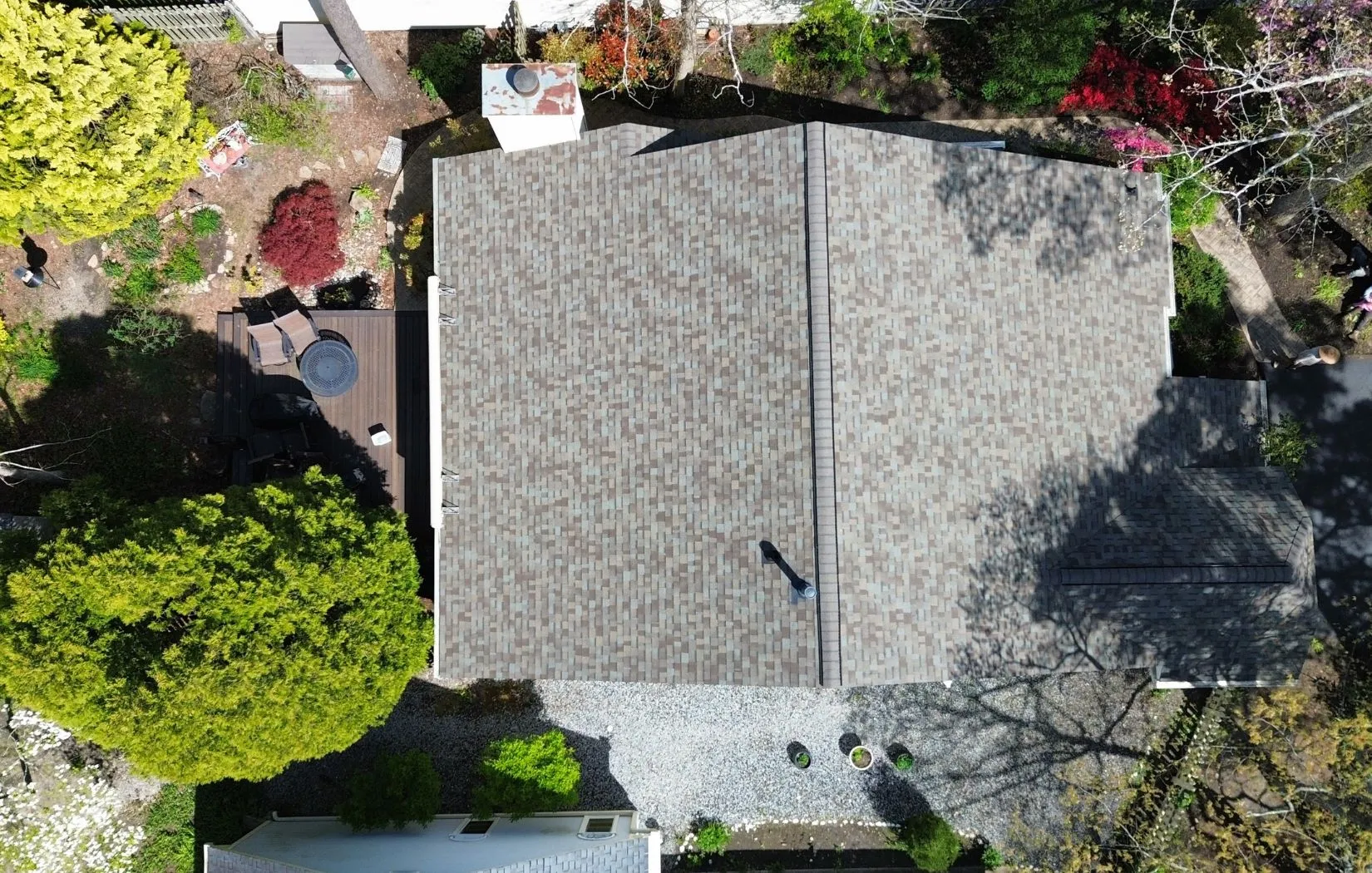
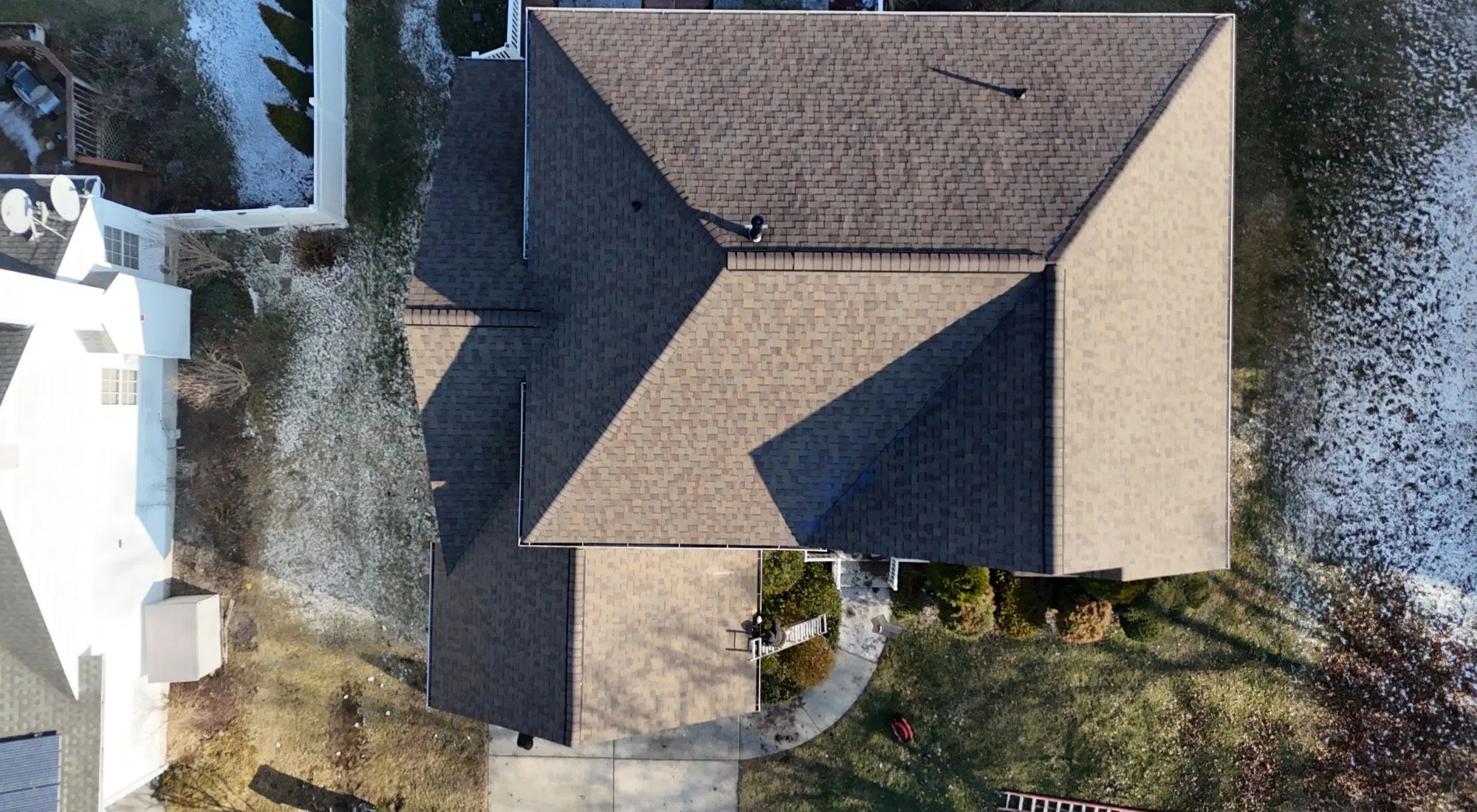
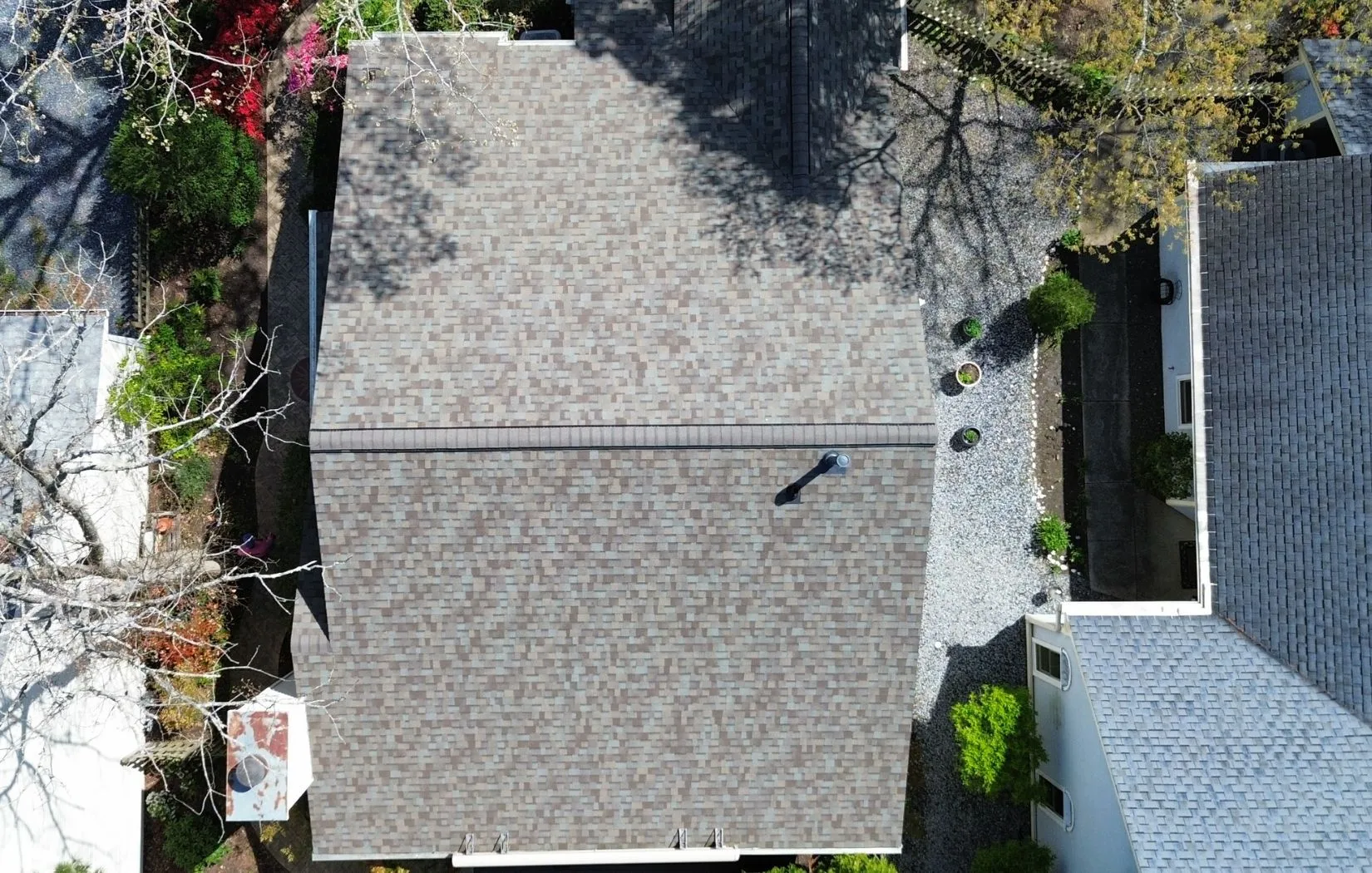
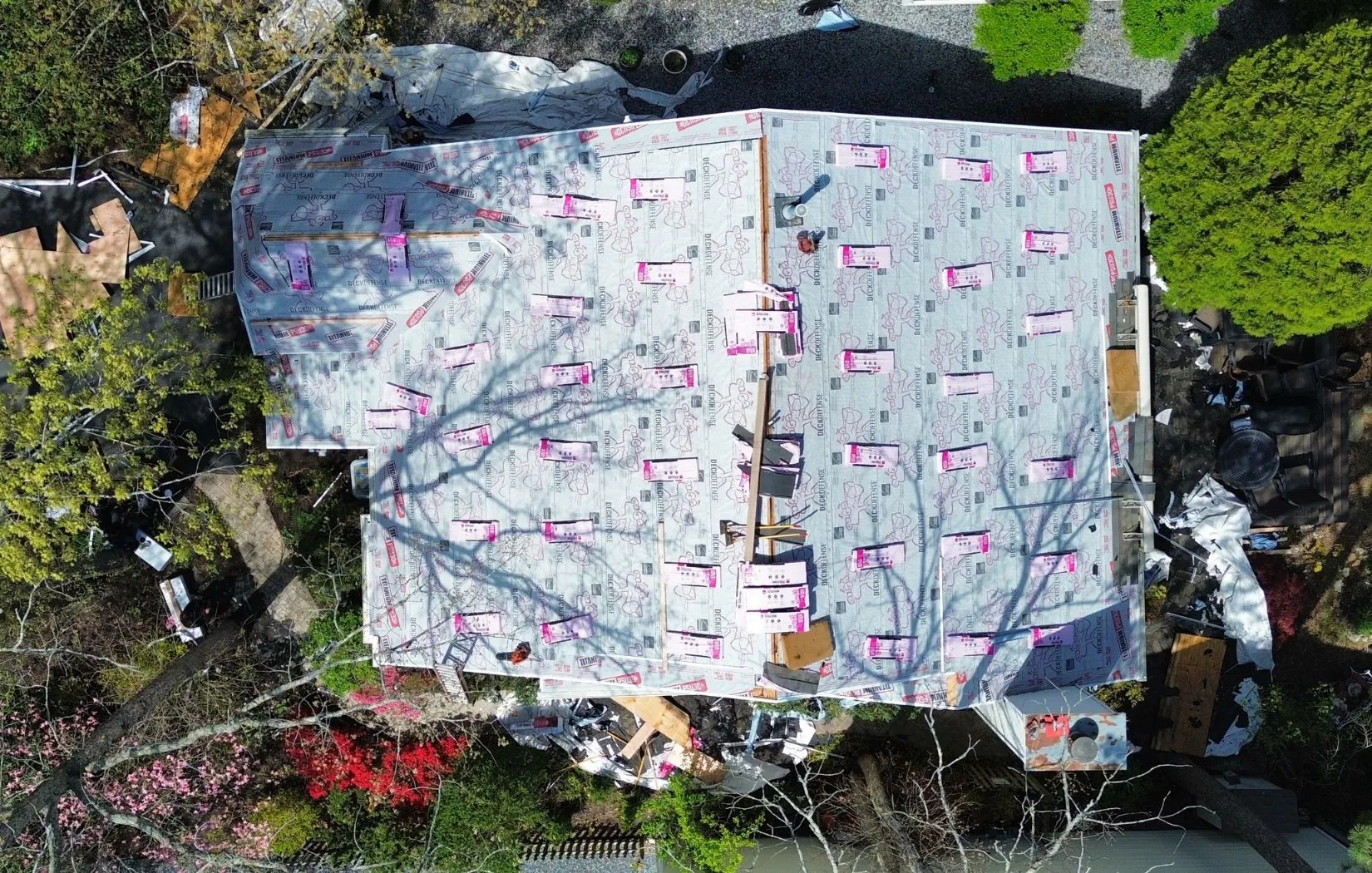
Leave the climbing to the professionals. At Apex East Roofing, we take drone photos before, during, and after every project, so your inspections come with clear images.
Contact Apex East Roofing for Your Flashing Inspection Needs
Apex East is proud to be a family-owned company in Northfield, handling residential and commercial roofing across South Jersey. We’re also New Jersey’s first Fortified Certified Roofer, and that standard includes wind-resistance details that affect how flashing is installed.
Ready to find out where your flashing stands? Request a free inspection from the professionals at Apex East Roofing today.