Choosing a new roof is exciting. Choosing a shingle color? That’s where many homeowners start second-guessing themselves.
After all, no one wants to be the one house in the neighborhood that sticks out like a sore thumb. At the same time, your home should reflect your personality and feel like it belongs.
That’s why choosing a roof shingle color can feel surprisingly stressful. Unlike a paint color or a piece of furniture, your roof is one of the largest visual features of your home, and it’s a decision you’ll likely live with for decades.
Choose the wrong shingle color, and it can overshadow all the hard work you’ve put into creating beautiful curb appeal. The right color, on the other hand, can tie everything together and make your home look its absolute best.
The good news? You don’t have to rely on guesswork, tiny sample boards, or your neighbor’s opinion. In this guide, we’ll walk through why shingle color matters, how to choose the right option for your home, and the best ways to visualize your new roof before making a final decision.
Why Your Roof’s Shingle Color Matters
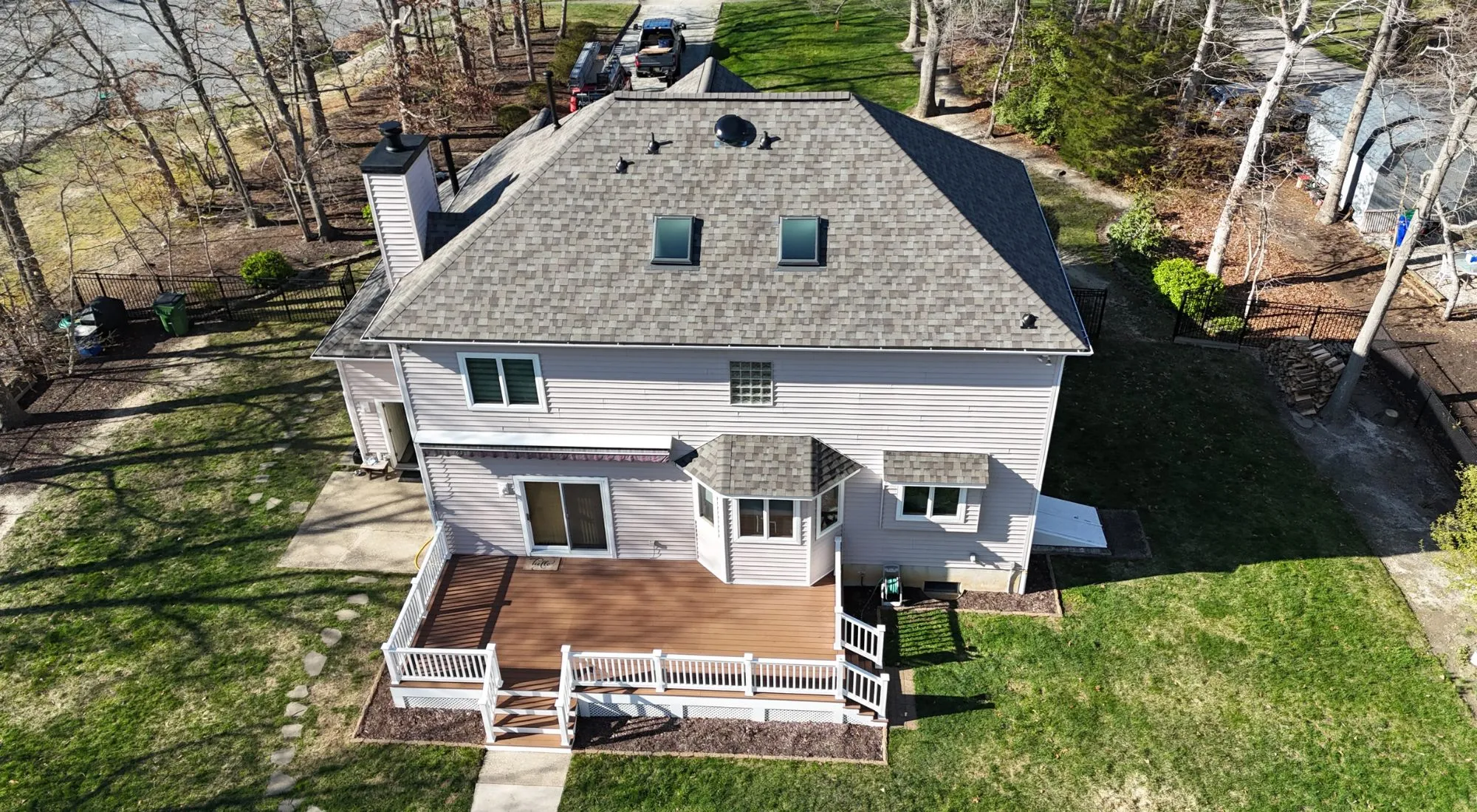
Your roof is one of the largest visual elements of your home. Since it occupies so much of the exterior, the color you choose has a major impact on curb appeal, architectural character, and the overall impression your home makes from the street.
That visual impact matters. According to the National Association of REALTORS®, 97% of realtors believe curb appeal is important in attracting buyers, and 92% recommend improving curb appeal before listing a home.
A thoughtfully chosen roof color can help tie together your siding, brick, stone, and trim while contributing to a polished, well-maintained appearance.
The right shingle color can:
- Complement your siding, brick, stone, and trim
- Highlight your home’s architectural style
- Create visual balance
- Improve first impressions
- Support future resale goals
Rather than selecting a color from a tiny sample board and hoping for the best, homeowners can benefit from seeing how different options actually look on their home.
At the design center at Apex East Roofing, homeowners can explore materials in person, touch physical samples, and use the company’s unique 1:1 Blueprint Studio. This allows your home to be projected onto the design center wall so you can view realistic mock-ups of different shingle colors before making a final decision. Think of it as the ultimate “try before you buy” experience.
What Color Is Best for Shingles?
The best shingle color is one that complements your home’s exterior materials, fits the architectural style, works well in your local climate, and still feels appealing years from now. There is no universal “best” color, only the best color for your specific home.
Many homeowners naturally gravitate toward charcoal, weathered wood, slate gray, and other neutral tones because they pair well with a wide range of exterior finishes and tend to have strong long-term appeal.
How To Choose a Shingle Color in 4 Steps
#1: Coordinate With Siding, Brick, and Trim
Your roof should work with the rest of your home’s exterior rather than compete with it.
If your home features warm-toned brick, brown accents, or tan siding, warm roof colors often create a cohesive look. Homes with cool gray siding, white trim, or blue accents may benefit from cooler-toned shingles.
One helpful rule is to look for complementary colors rather than exact matches. Too much of the same color can make a home appear flat, while thoughtful contrast creates visual interest.
Take a step back from individual samples and focus on how the entire exterior works together.
#2: Consider Your Home’s Architectural Style
Architecture can offer valuable clues about which roof colors make the most sense.
Traditional Colonial, Cape Cod, and Craftsman homes often pair beautifully with classic charcoal, slate, black, or weathered wood shingles.
Modern homes frequently lean toward crisp blacks and contemporary grays.
Coastal-inspired homes may benefit from lighter grays and soft weathered tones that complement bright trim and airy exterior colors.
The goal is not to follow strict rules. Instead, use your home’s architecture as a guide to narrow your options.
#3: Look at the Neighborhood for Inspiration
A quick walk or drive through the neighborhood can be surprisingly helpful.
Notice which roof colors look attractive on homes similar to yours. Pay attention to combinations that catch your eye and those that seem out of place.
You don’t need to match your neighbors exactly. In fact, a little individuality can be a good thing. However, selecting a dramatically different color can sometimes create an unintended visual clash.
If your community has a homeowners association, be sure to review any applicable guidelines before making a final selection.
#4: Choose for Long-Term Appeal
Roofs are long-term investments.
Before committing to a color, ask yourself:
- Will I still like this color in 10 years?
- Does it fit the surrounding neighborhood?
- Would it appeal to future buyers?
Design trends come and go. A color that feels timeless today is often a safer investment than one driven solely by current trends.
Popular Roof Shingle Colors and Their Benefits
Darker Shingles and Heat Absorption
Darker shingles remain among the most popular choices for homeowners.
Homeowners often choose dark shingles for their aesthetic appeal. Dark roofs often create strong contrast and help architectural details stand out.
They also absorb more solar heat than lighter-colored surfaces. The U.S. Department of Energy notes that darker roofing materials generally absorb more sunlight and heat than reflective surfaces.
In New Jersey’s colder months, that additional heat absorption may provide modest benefits. During summer, however, attic temperatures can rise more quickly if ventilation is inadequate.
Examples of popular dark shingles include:
- Charcoal gray for classic curb appeal
- Black shingles for dramatic contrast
- Deep-weathered wood blends for traditional homes
Lighter Shingles and Energy Efficiency
Lighter roof colors reflect more sunlight and can help reduce heat gain.
According to the U.S. Environmental Protection Agency (EPA), reflective roofing materials can reduce roof temperatures and improve energy performance.
The Department of Energy also notes that cool roofing products can stay significantly cooler in direct sunlight.
For homeowners in New Jersey who experience hot and humid summers, lighter shingles that may help support indoor comfort include:
- Light gray
- Silver-toned blends
- Beige and driftwood-inspired colors
Weather Performance and Visibility
Color can influence how visible dirt, debris, algae streaks, and normal aging appear over time.
The Asphalt Roofing Manufacturers Association notes that algae discoloration can affect the roof’s appearance, especially in humid environments.
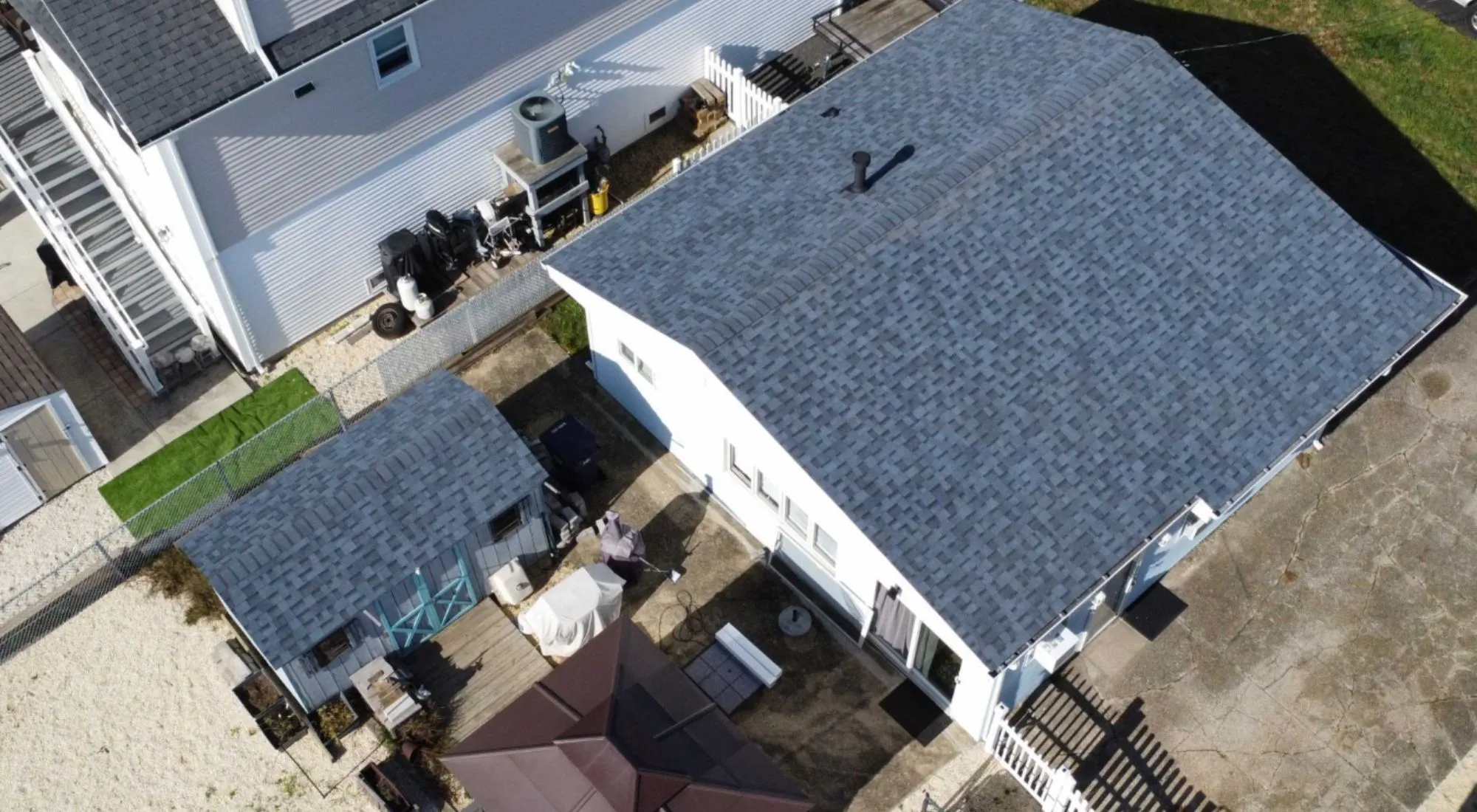
Medium-tone and blended-color shingles often do an excellent job of disguising minor staining and everyday wear.
Popular examples include:
- Weathered wood
- Driftwood blends
- Medium gray architectural shingles
- Multi-tone slate-inspired colors
Many homeowners appreciate these colors because they strike a balance between appearance, maintenance, and long-term aesthetics.
Tips for Visualizing Your New Roof Color and Common Mistakes To Avoid
When choosing a shingle color, avoid relying solely on small indoor samples, as natural light can significantly change how colors appear. Consider your home’s exterior materials, HOA requirements, long-term resale value, and overall neighborhood aesthetic. Choosing a timeless color often leads to a result you’ll appreciate for years to come.
This is where visualization tools become incredibly valuable.
At Apex East Roofing’s design center, homeowners can interact with physical roofing samples, explore material options, and see realistic roof color mock-ups using the 1:1 Blueprint Studio. Instead of imagining how a color might look, you can see your home’s image projected on the design center wall and compare options side by side.
The center also helps homeowners move beyond roofing decisions by connecting them with other building and design professionals when needed. Whether you’re coordinating stonework, exterior finishes, or a larger renovation project, having expert guidance can simplify the entire process.
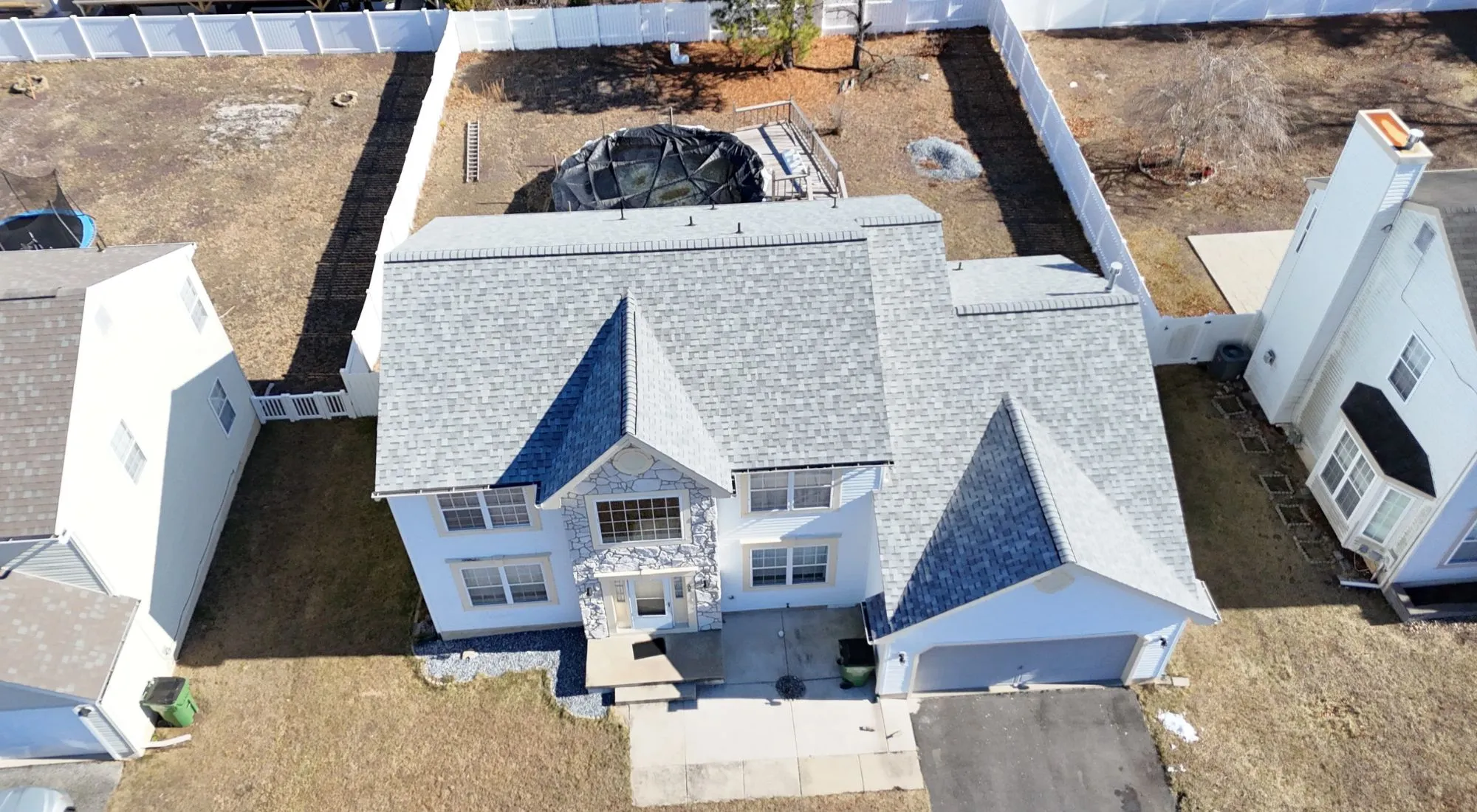
Apex East Roofing Is Here To Help You Choose a Shingle Color for Your Next Project
If you’re wondering how to choose a shingle color, the answer starts with seeing your options clearly.
The right roof color should complement your home’s design, fit your neighborhood, support long-term value, and feel like something you’ll enjoy every time you pull into the driveway.
At Apex East Roofing, homeowners have access to much more than roofing expertise. The design center allows you to explore materials firsthand, compare colors in person, and take advantage of the innovative 1:1 Blueprint Studio to preview realistic roof color combinations before construction begins.
Instead of guessing, you can “try before you buy” and move forward with confidence.
Ready to find the perfect roof color for your home?
Visit the Apex East Roofing design center and discover how easy choosing a shingle color can be when you can actually see the possibilities.