After the storm passes, you head outside to pick up branches and spot something new: shingles scattered in the yard. You might also see a dented gutter, a tree limb on the roof, or a water stain spreading across the ceiling. Now, you have more to deal with than just cleaning up. You need to figure out what to do if you have roof storm damage and how to keep the situation from getting worse.
What you do in the hours and days after a storm can make a big difference. If you wait too long, the damage might worsen. But if you rush into repairs without taking photos or documenting the damage, you could run into problems with your insurance claim.
This article will guide you through what to do if a storm damages your roof. You’ll also learn how to check for damage safely, keep your home protected, handle insurance, and pick a good contractor for repairs.
Roof Storm Damage and Why It’s Important To Act Quickly
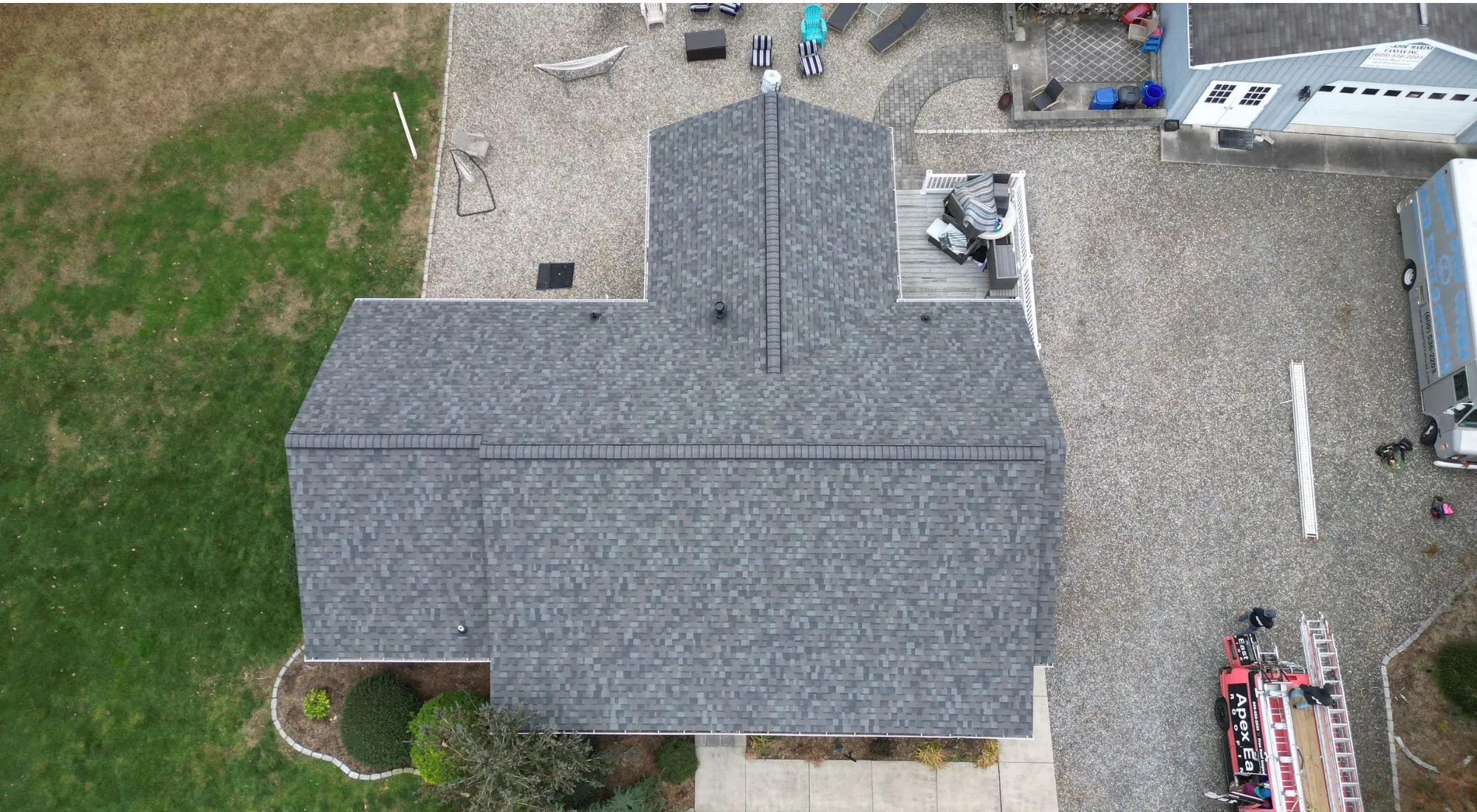
Storms can damage your roof in many ways, and sometimes the problems are not easy to spot from the ground. In severe cases, storm damage may be extensive enough to require a full roof replacement rather than repairs. Whether the damage comes from hail, strong winds, heavy rain, or falling debris, even small issues can make your home more likely to develop leaks and lead to costly repairs later.
- Wind damage is a common problem after storms. Strong winds can loosen, lift, crack, or even tear off shingles. This exposes the layers underneath and makes it easier for water to get into your roof.
- Hail can also cause damage by leaving dents, bruises, cracks, or even holes in your roofing materials. These problems might not cause leaks right away, but they weaken your roof’s ability to protect your home over time.
- Heavy rain can harm your roof, especially if the shingles, flashing, or other areas are already weak. Water may seep through small gaps and get into your attic or home, leading to leaks that are not always easy to spot right away.
- Debris, like fallen branches, can puncture your roof or cause other damage. If a storm has damaged your roof, try to address it as soon as possible. Even a small leak can let water into your attic, ceilings, and walls, which may cause mold, ruin insulation, and lead to expensive repairs. Waiting to fix the problem can also make your roof more likely to be damaged by future storms and make things worse.
Acting quickly can also make the insurance process easier. A prompt inspection can uncover hidden damage, provide documentation for your claim, and help protect your home from further issues.

What To Do if You Have Roof Storm Damage: 6 Steps To Take
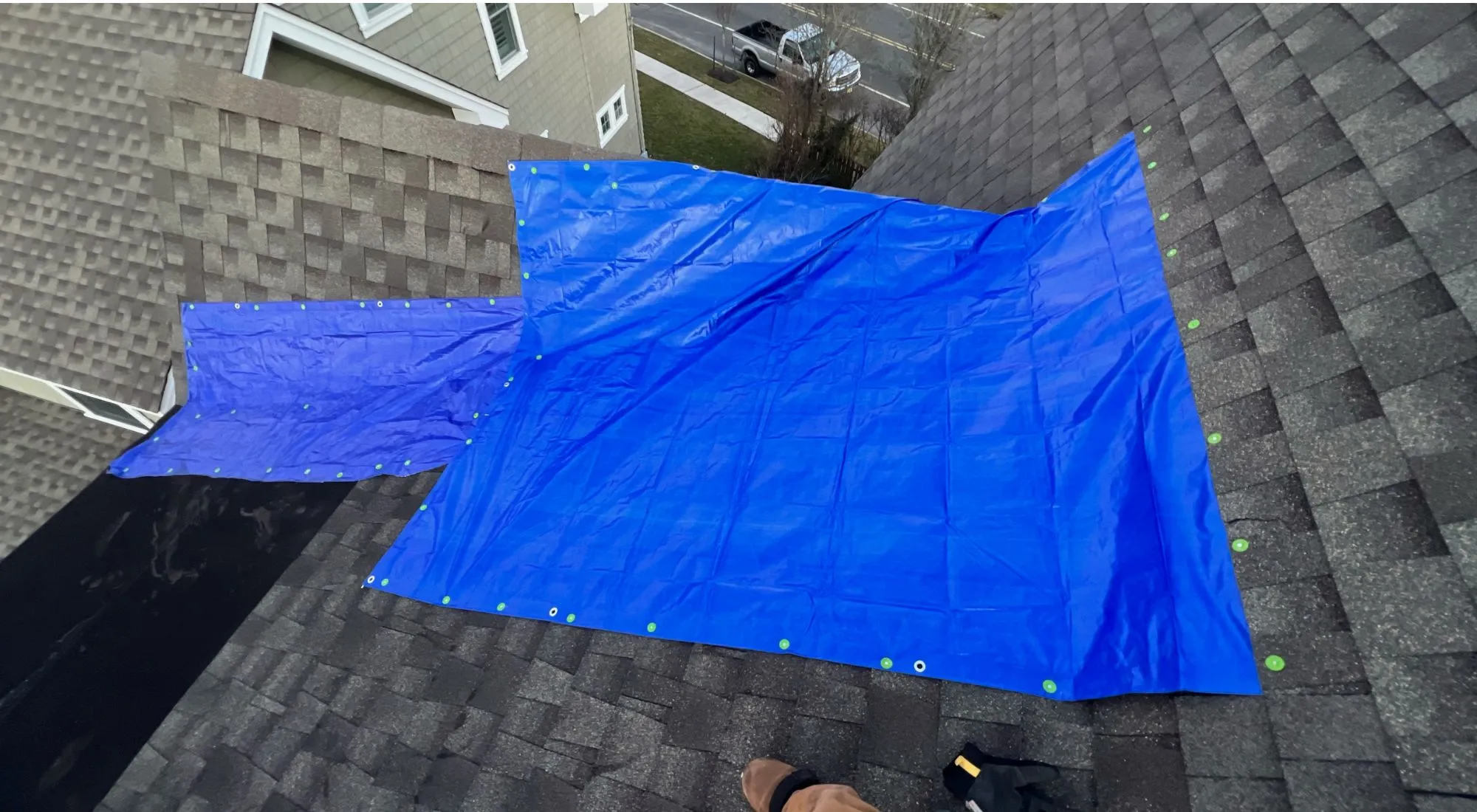
Covering damaged areas with a tarp can help stop more problems, but it is just the first step. After that, document the damage and schedule a professional inspection to protect your home and support your insurance claim.
#1: Prioritize Safety
Make sure the storm has passed and it is safe before you check your roof. Avoid climbing onto the roof, as storm damage can make it unstable and increase the risk of falling. Instead, look at your roof from the ground. You can use binoculars to check for missing shingles, fallen branches, or other debris.
Keep children and pets away from damaged areas, and watch out for hazards such as leaning trees, standing water, and downed power lines. If you see major structural damage or electrical dangers, call emergency services or your utility provider right away before going near the area.
By taking these precautions, you can avoid injuries and safely continue inspecting and repairing your home.
#2: Assess and Document the Damage
Once you know the area is safe, look over your property for any storm damage and make a record of what you see. Take clear photos and videos before you start any temporary repairs. This evidence will help with your insurance claim.
Begin by inspecting the outside of your home from the ground or, if safe, from a sturdy ladder. Then check inside, especially the attic and ceilings, for signs of water intrusion.
Be sure to look for and make a record of the following:
- Missing, cracked, curled, or lifted shingles
- Dents from hail on shingles, flashing, vents, or gutters
- Fallen branches or debris on the roof
- Damaged or detached gutters and downspouts
- Water stains on ceilings or walls
- Active leaks or moisture in the attic
- Granules from asphalt shingles collecting in gutters
- Sagging or visibly damaged roofing materials
Remember to note the storm’s date and keep your photos, videos, and notes in order. Keeping good records helps roofing experts check the damage and can make your insurance claim stronger.
#3: Mitigate Further Damage
After you have recorded the damage, the next step in what to do if you have roof storm damage is preventing the situation from getting worse. Leave the big repairs to professionals, but some quick fixes can help protect your home until a roofer gets there.
What you need to do will depend on the kind of damage your roof has.
- Placing buckets under leaks
- Moving valuables away from wet areas
- Tarping exposed sections of the roof, if safe
- Removing accessible debris
- Draining standing water
- Drying wet surfaces
- Using fans or ventilation to reduce moisture
Keep all your receipts for emergency supplies, repairs, and cleanup. Insurance companies usually want proof of these costs, and you could be reimbursed if your policy covers them. Taking action right away can help prevent more damage and make your claim easier.
#4: Call a Roofing Professional for an Inspection
Once you have checked your roof yourself, set up a professional roof inspection as soon as possible. You might spot things like missing shingles or leaks, but experienced roofers can find hidden problems such as damaged flashing, hail marks, weak spots, or moisture that could lead to bigger issues later.
During a professional inspection, the roofer will carefully inspect your roof and give you a written report of any damage. This report explains what repairs are needed and can help with your insurance claim.
Be careful of “storm chasers.” These are contractors from out of town who come after storms and try to get homeowners to sign contracts fast.
Before you hire a roofer:
- Check their background
- Ask for references
- Make sure they are local.
Don’t sign any repair contract until you know the damage and have assessed your insurance options.
If your roof has been damaged by a storm, APEX Roofing can help. Our team will inspect your roof, spot any problems early, and guide you on the best way to fix them. Get in touch with us to book your inspection.
#5: Contact Your Insurance Provider
After you document the damage and have a professional inspect your home, reach out to your homeowners’ insurance company to begin your claim. You’ll need to have the following information ready:
- Date of the storms
- Photos and videos of the damage
- Receipts for any emergency mitigation measures
- The roofing contractor’s inspection report.
Once you file your claim, your insurance company might send an adjuster to look at the damage and figure out which repairs your policy will cover. Keep track of all your conversations with the insurer, and wait to make any permanent repairs until you know what your insurance requires.
Will Homeowners Insurance Pay for Roof Damage?
Homeowners’ insurance usually covers roof damage caused by sudden events such as hail, windstorms, falling trees, or other types of bad weather. The details of your coverage depend on your policy and what caused the damage.
Roof damage is often covered when it results from:
- Hailstorms
- High winds
- Falling trees or tree limbs
- Lightning strikes
- Fire or other covered disasters
Since every policy is different, make sure to check your coverage and ask your insurance representative if you have any questions. Having a detailed inspection report and clear documentation can help your claim process go more smoothly.
#6: Choose a Reputable Roofing Contractor To Complete Repairs
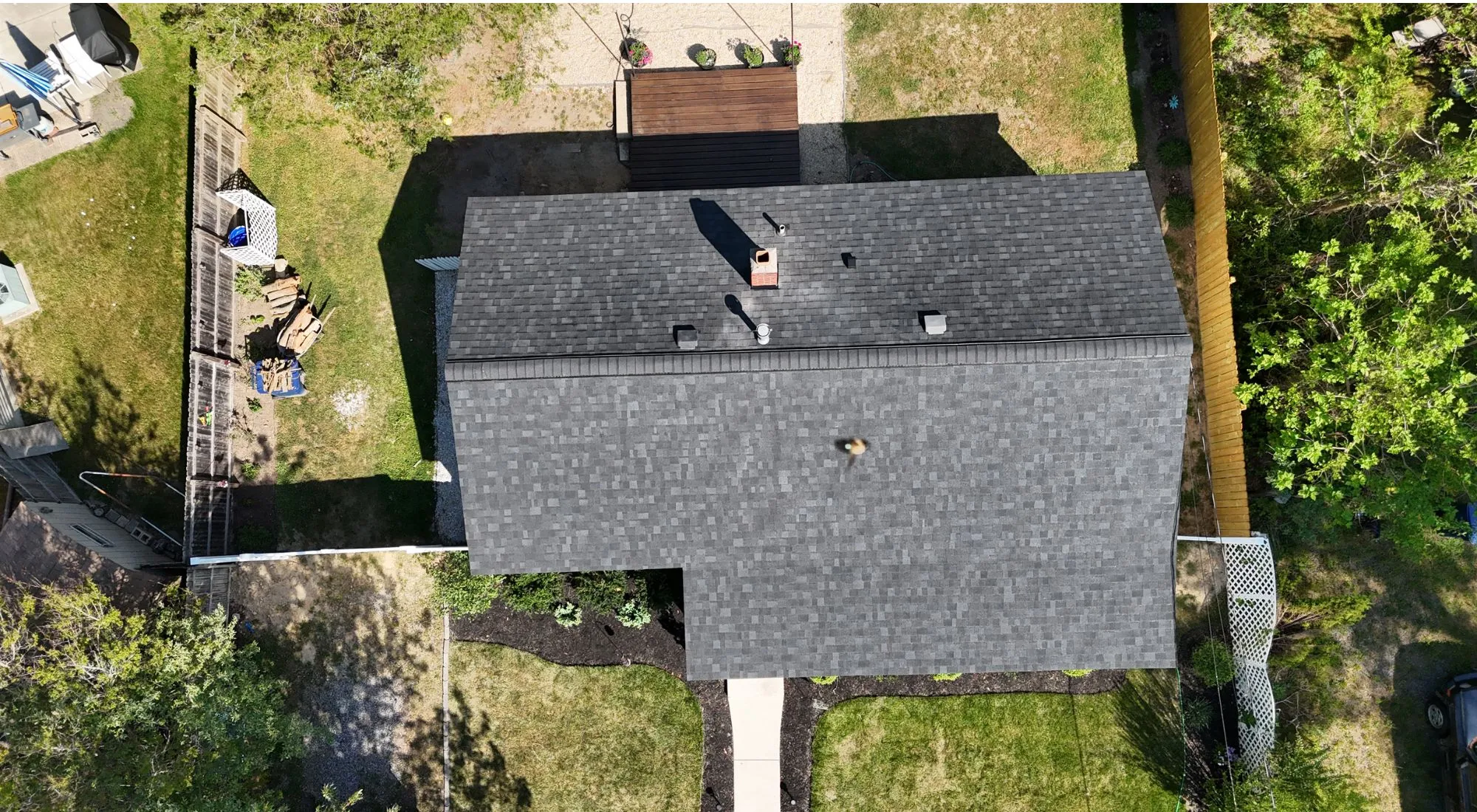
After you start your insurance claim, the next thing to do is find a qualified roofing contractor for the repairs. The company you pick will affect the quality of the work, how fast it gets finished, and your overall experience.
Choose a contractor who has a license, insurance, and a good reputation in your area. Ask for recommendations from previous customers. A good roofing contractor will provide a clear written price estimate, explain the repairs you need, and answer your questions. It also helps if they have experience with storm damage and insurance claims because this can make the repair process easier.
Be careful with contractors who show up right after a storm, ask for payments before starting, or try to rush your decision. Check their credentials and get quotes from a few different companies before you choose one. This way, you can make sure your roof is fixed properly, will hold up in future storms, and you can avoid new issues down the road.
Rebuild Stronger After the Storm with APEX East Roofing
If your roof was damaged in a storm, choosing the right contractor is important. APEX East Roofing is a family-owned business with deep roots in South Jersey, and we take pride in providing honest service. We are licensed, insured, Fortified Roof™ Certified, an Owens Corning Platinum Preferred Contractor, and the recipient of the 2026 Owens Corning Pinnacle Innovation Award.
APEX East Roofing provides residential and commercial roofing services, including:
- Storm damage and emergency roof repairs
- Roof leak repairs and roof replacements
- Shingle, metal, and flat roofing systems
- Gutter, flashing, soffit, fascia, and skylight repairs
If you’re worried your roof was damaged in a storm, contact APEX East Roofing for a free inspection. We’ll take photos, walk you through any issues we find, and give you straightforward advice. There’s no pressure to sign anything right away.