Replacing your roof is something you might never think about. Roofs last a long time, so other, more urgent, projects may take priority. Chances are you don’t know how old your roof is and you might assume that it has too much life left in it to consider a replacement.
But be careful; you shouldn’t write off the need to replace your roof until you’re certain of the roof’s condition. Even if you don’t have documentation of when the current roof was installed, there are several other characteristics you can analyze to determine how healthy it is.
Learn the many signs indicating that your roof is in poor shape and how long you can reasonably expect a roof to last.
What Are the Signs of Needing a New Roof?
Ignoring these signs of endangered roof integrity can lead to home devaluation and the need for costly repairs:
- Missing, curled, or cracked shingles
- Water leaks or ceiling stains
- Sagging roof
- Granules collecting in gutters
- Damaged flashing
- High energy bills
- Moss, algae, or mold buildup
- Sunlight visible through gaps in attic
Your roof plays an enormous role in the safety and durability of your home; don’t be afraid to invest generously in this critical structural element. Apex East Roofing can help you determine your roof’s condition by watching out for some of the main indicators of damage significant enough to warrant a new roof.
How To Tell If You Need a New Roof: 10 Warning Signs You Shouldn’t Ignore
#1: Your Roof Is 20–30 Years Old
Even if it’s been well-maintained, a 20+-year-old shingle roof is nearing the end of its lifespan and is probably beginning to show its age. Because older shingles are less flexible, they lack much of their former protective ability. Some factors that can make shingles wear out faster include:
- Improper installation and/or maintenance
- Substandard materials
- Inadequate attic ventilation
- Extreme climatic conditions
Worn shingles are more vulnerable, so it may be best to schedule a roof replacement before major damages occur.
#2: Shingles Are Missing, Curling, or Cracking
When you notice widespread ailing shingles, it’s safe to conclude the roof is nearing the end of its lifespan rather than requiring isolated repairs. Look for the following characteristics of failing or defunct shingles:
- Curling: Over time, temperature fluctuations and sun exposure can dry out shingles and make them turn up at the corners. Curling shingles can cause water intrusion, and they are more vulnerable to cracking and wind damage.
- Cracking: Temperature fluctuations are also responsible for the expansion and contraction of the roofing material that cause shingles to crack. Cracked shingles cannot keep water out to prevent leaks, roof decking decay, and mold growth.
- Missing: Shingles may be torn off by the wind, especially if they were improperly sealed, or they may weaken and loosen due to poor installation or inadequate attic ventilation.
#3: Granules Are Collecting in Your Gutters
Granules form the top layer of shingles, lending them their UV-protective, insulating, and impact-resistant qualities. Finding excessive, sand-like granules in gutters or downspouts is a common sign of aging shingles and may indicate the roof is deteriorating.
#4: You Notice Water Leaks or Ceiling Stains
Water leaks are not always visible from the interior of your home, but some interior signs that your roof is leaking include:
- Water stains on the ceiling
- Peeling paint
- Mold growth
- Damp insulation
If you notice any of these signs, we recommend scheduling an inspection by a roofing professional like Apex East Roofing. Tackling the problem early could help you save the trouble and cost of:
- Further structural damage
- Replacement of damaged electrical systems
- Mold remediation
- Insulation replacement
#5: Your Roof Is Sagging
A sagging roof often indicates that moisture has been present long enough to cause structural weakness due to sodden, rotting decking or roof supports. It doesn’t just look bad; it’s a major structural concern that requires immediate attention. However, it may not be immediately apparent. Low spots or uneven roof lines may not be extremely unsightly, but they are the external indicator of unsoundness in the roofing materials.
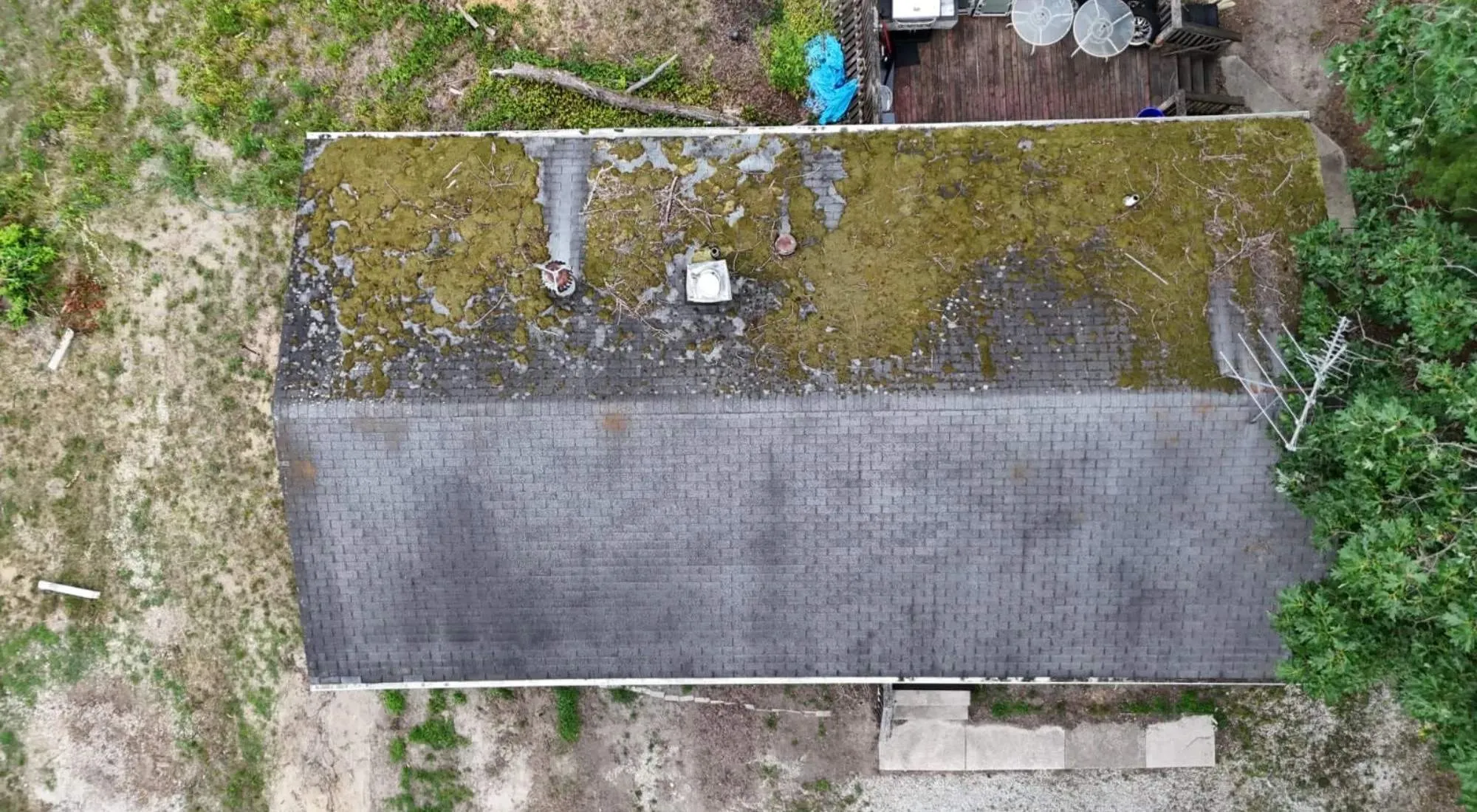
#6: Moss, Algae, or Mold Is Taking Over
Moss, algae, and mold growth on your roof can be a problem for several reasons:
- Moss is hard to clean off without damaging the shingles, and merely brushing it off will not prevent regrowth.
- Moss and algae hold moisture on the roof surface, causing deterioration of the shingles and compromising the roof decking.
- Mold can penetrate roofing materials, causing decay and leaks.
Roofs that receive limited sunlight and have poor drainage tend to be more vulnerable to moss, algae, and mold growth.
#7: Sunlight Is Visible in the Attic
If daylight is visible through the roof boards, that means the roof is not air-tight. Not only outside air, but also water and insects, can enter and wreak havoc on the structural integrity of your home.
Daylight coming through the ventilation holes in vents and along the edges of the roof are not a cause for concern, as they are designed for ventilation purposes. But daylight streaming through random spots closer to the middle of your roof is a sign that roofing materials are damaged.
#8: Flashing Around Chimneys and Vents Is Damaged
Flashing is the critical barrier that prevents water infiltration between the roof and its ventilation features. Compromised flashing puts the roof in danger of leaks and deterioration. Signs that the flashing may be damaged include:
- Cracked sealant
- Rust
- Loose components
#9: Energy Bills Have Increased Without Explanation
A failing roof can force your HVAC system to work harder throughout the year by reducing insulation performance and ventilation in various ways, including:
- Causing outside air to leak in through cracks, broken shingles, or damaged seals
- Weakening the buffer that your attic creates between the inside and outside air
- Destroying the shingles’ reflective power and thus increasing the temperature inside your home
Repairing the affected portion of the roof or (if there are several affected portions) replacing it entirely is necessary to restore your home’s thermal envelope. One of the main signs that the thermal envelope has been breached is a noticeable change in temperature near the ceiling or in certain areas of the house.
#10: Storm Damage Has Left Visible Roof Issues
A good time to have your roof inspected, whether you see damage or not, is after a major storm. A professional may be able to detect damage you failed to notice. High winds, hail, and heavy rain can cause:
- Loose granules
- Dented, bruised, torn, or missing shingles
- Roofing material cracks
- Warped or swollen roof decking
In the event of storm damage, check to see if any warranties or insurance will help cover the cost of repair or replacement.
How Many Years Does a Roof Usually Last?
Roofs don’t typically fail all of a sudden unless a devastating storm hits. Rather, the materials that compose them gradually lose their performance qualities, such as UV protection, impact resistance, and sealant capability. A roof’s lifespan depends on the harshness or mildness of the climate and what materials it’s made of:
- Architectural asphalt shingles usually last around 20–30 years. Modern asphalt shingles, made with fiberglass, are longer-lasting than the older shingles made with felt, and they are both affordable and durable.
- Wood shakes may last 30–40 years, but they are not a very affordable option and require regular careful maintenance.
- Metal roofs can last between 45 and 70 years, but they may need to be refinished to keep looking their best.
- Clay tile roofs have a lifespan of 50–100 years, but they are particularly vulnerable to organic buildup if not cleaned regularly and do not hold up well in cold climates.
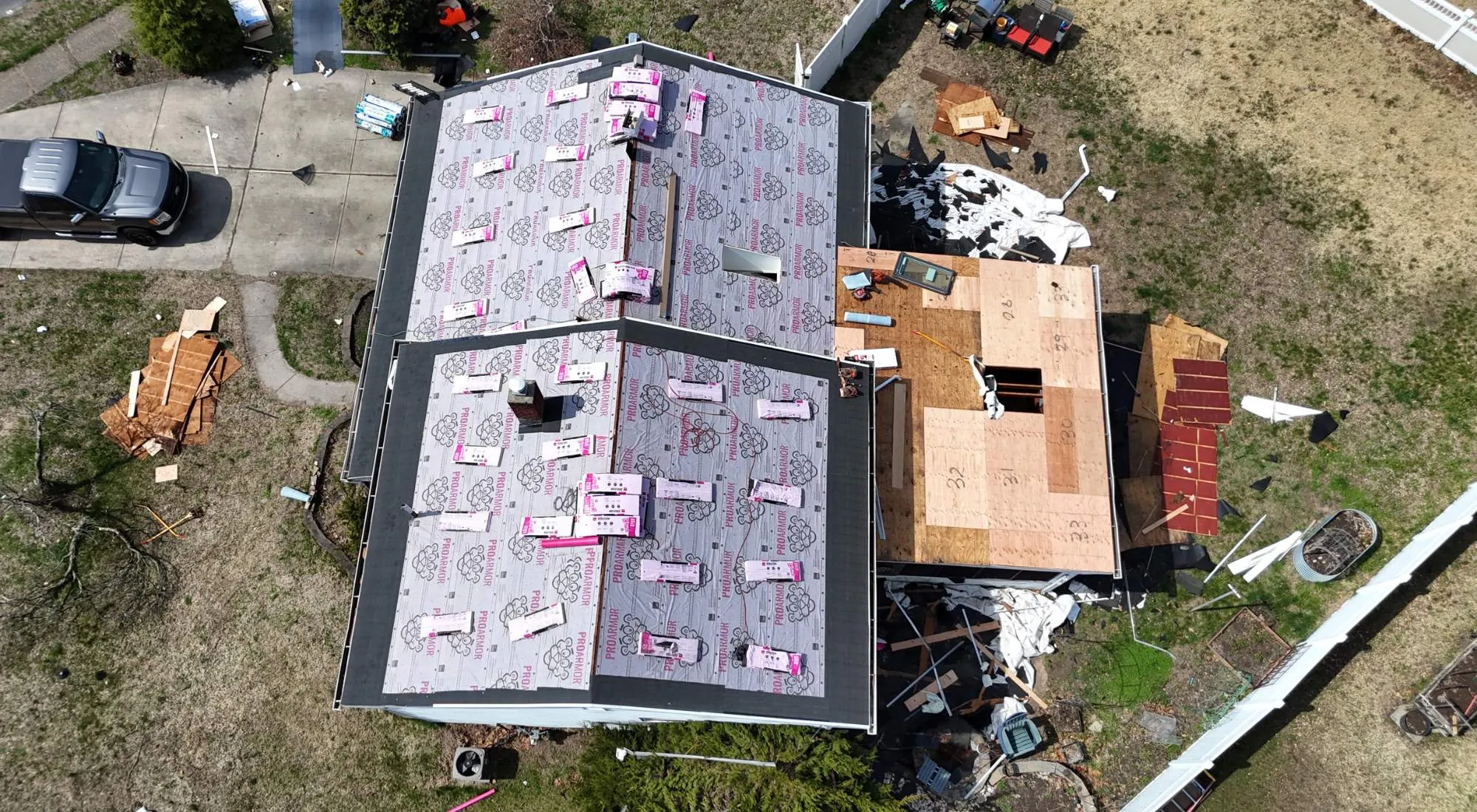
Is It Better To Repair or Replace a Roof?
This decision to repair or replace a roof depends on a combination of factors:
- The extent of damage
- The roof’s age
- Your budget
- Your long-term plans
Replacement is usually advisable if:
- The damage is extensive
- Your roof is nearing the end of its lifespan
- You can pay for replacement
- You plan to live in the home for a long time
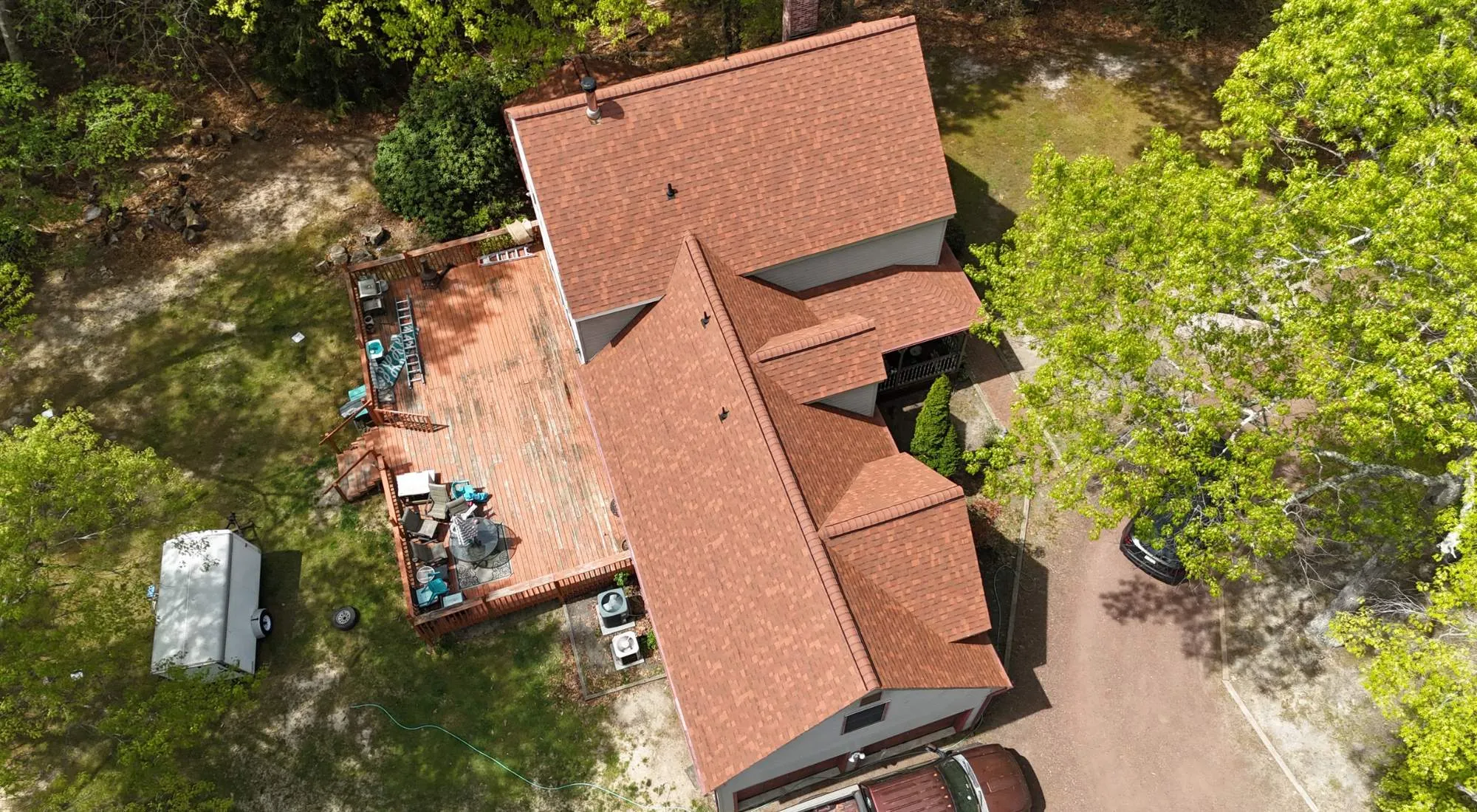
Not Sure If You Need a New Roof? Apex East Roofing Can Help
Apex East Roofing is a family-owned company that has served the South Jersey area for generations. We can help you tell if you need a new roof or if a repair will make your roof last long enough to be worthwhile. Besides preventive and diagnostic inspections, we provide roofing and siding installation and repairs for both commercial and residential buildings.
Contact us today to schedule an inspection and discuss further steps to make your roof look and perform its best.