Your roof is a shield, protecting everything underneath it. But if you’re like most homeowners, you probably don’t think about it until something goes wrong.
From hidden leaks to storm damage and aging shingles, small problems can quickly turn into costly repairs. The good news? A simple, routine roof inspection can help catch problems early, protect your investment, and potentially save you from expensive repairs.
So how often should you have your roof inspected for damage?
In this guide, we’ll cover how often to have your roof inspected, when to schedule an inspection ASAP, tips for hiring a qualified roofing professional, and more.
Table of Contents
How Often Should You Have Your Roof Inspected?
In general, you should have your roof inspected at least once a year, or twice a year (in the spring and fall), according to guidelines from the National Roofing Contractors Association.
There are a few situations that may impact that timeline, including:
- The type of roof: For example, metal roofs typically require less frequent inspections than asphalt shingles.
- Your climate: Harsh weather conditions like high winds, heavy snow, or constant sun exposure often necessitate more frequent inspections.
- The age of your roof: Older roofs may require more frequent inspections to ensure they’re still functioning properly.
If you’re looking for a roof inspection in South Jersey, look no further than Apex East Roofing. With years of experience in the roofing business, we’re the ones to call for professional residential roofing services designed to keep your home safe, energy-efficient, and protected from the elements.
4 Factors That Influence How Often You Should Have Your Roof Inspected
#1: Moisture Issues
If you live in a location with high levels of moisture, you’ll need to have a roof inspection more frequently than someone living in a dry climate. While we normally recommend an annual inspection, for those with moisture issues, we advise checking your roof twice a year or immediately after major storms.
If left unchecked, excess moisture from heavy rain or high humidity can cause:
- Trapped dampness that keeps roof layers wet longer and speeds up wear and tear
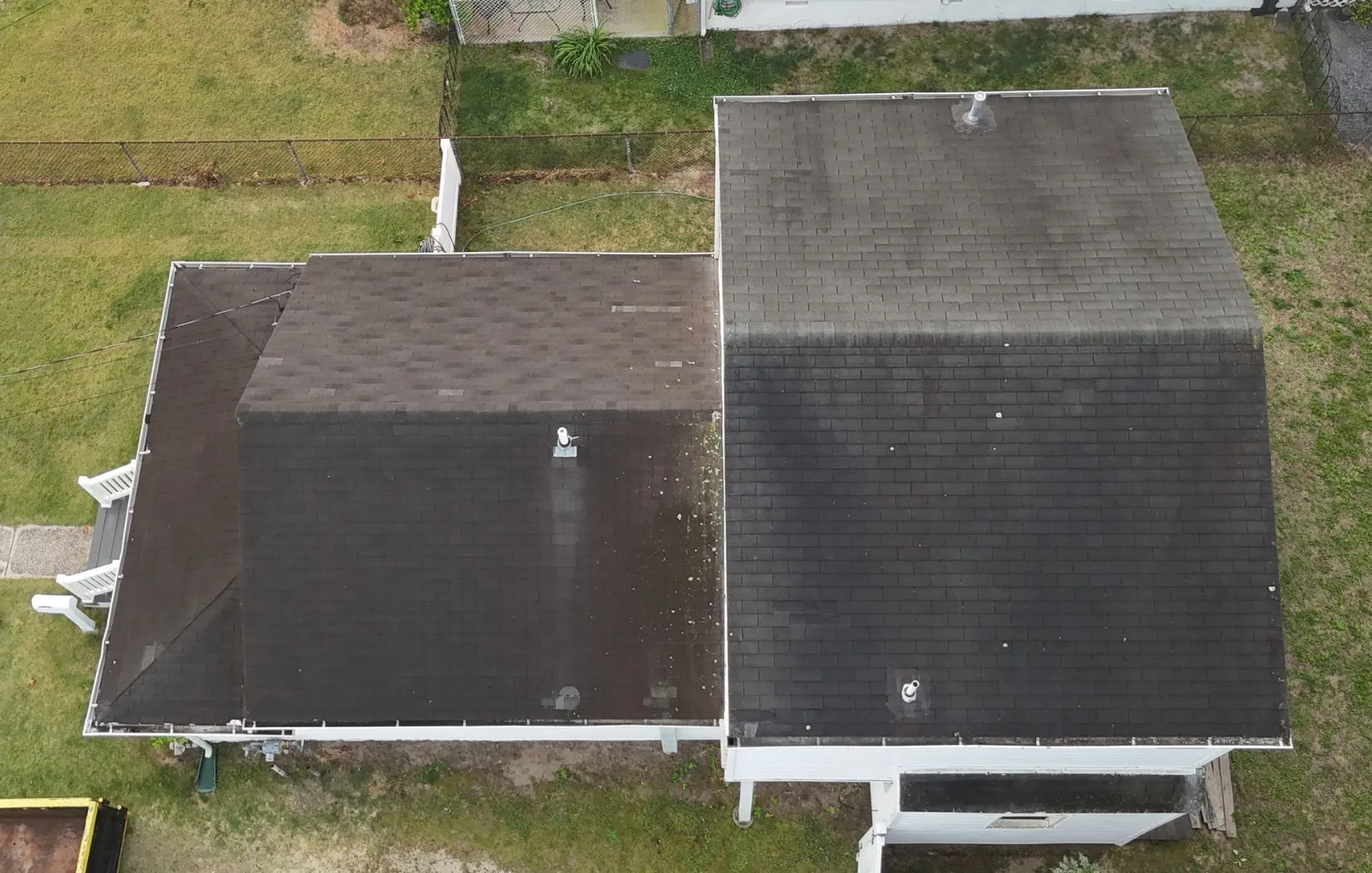
- Organic growth, such as moss, mold, and algae, which lifts shingles and causes them to break down
- Wood rot and sagging as water seeps into the decking or attic and threatens your roof’s structural integrity
- Vulnerability in weak areas like flashing, vents, and clogged gutters where water pools
Your roof is multi-layered, so water buildup may not be noticeable right away or with the naked eye. Your roof inspector will use state-of-the-art detection tools to locate potentially vulnerable areas.
#2: Damaged or Missing Shingles
As your roof’s flashing and shingles age and become more exposed to the elements, they naturally begin to break down in the form of:
- Cracking
- Warping
- Blistering
As they weaken, they’re more susceptible to being broken or ripped off by strong winds.
If you notice broken or missing shingles or flashing, we recommend an immediate roof inspection to repair any issues and to keep the problem from advancing further.
#3: Ventilation & Insulation
If your home has ventilation or insulation issues, you should have your roof inspected twice a year, in the spring and fall, rather than just annually. This allows you to catch any hidden moisture and heat damage early.
Poor ventilation can result in:
- Trapped heat that turns your attic into an oven during summer, baking and blistering asphalt shingles from below
- Moisture buildup as winter condensation causes wood decking and rafters to rot from the inside out
- Blocked soffit intake vents that can cause pressure imbalances and premature roof failure
Faulty insulation can cause:
- Blocked airflow when thick insulation is pushed too far into the eaves and blocks intake vents, stopping the ventilation system from effectively doing its job
- Damaged roofing materials as wet or compressed insulation loses its consistency, holding dampness against the frame of the roof and creating a breeding ground for mold
#4: Gutters
Poorly maintained or clogged gutters increase how often you should have your roof inspected. This is due to:
- Leaves and debris that block water flow and cause trapped water to pool against the lower edge of the roof and seep under shingles
- Overflowing water rotting the wooden fascia boards supporting your gutters and compromising the edge of your roof deck
- Blocked gutters trapping melting snow that refreezes into ice dams, lifting shingles and causing interior leaks
If your gutters are compromised by any of these factors, or if heavy tree cover overhangs your roof, we recommend having your roof inspected every three months, or after especially heavy rainfall or storms. During the inspection, our team will also note any granule accumulation to see how fast your shingles are aging.
Commonly Asked Questions About Roof Inspections
How Much Does It Cost To Get Your Roof Checked?
The cost of a roof inspection depends on:
- The size of your roof
- Type of inspection: Visual check, drone assessment, or thermal or infrared scan
- The roof’s slope and pitch: Steep or high roofs require extra safety gear, harnesses, etc.
- Your roof’s condition and age
- Your location
- Your roof’s complexity: Multiple stories, chimneys, skylights, valleys, and dormers add to the cost
How Long Does a Professional Roof Inspection Take?
It depends on factors like:
- The size, slope, and pitch of your roof
- The type of inspection you’re having performed
- The complexity of your roof
In general, we typically set aside 45 minutes to 2 hours for a roof inspection.
Can I Inspect My Roof Myself?
In some situations, yes. There are visual assessments you can do for yourself, such as:
- Checking for shingles and other roof parts on the ground after a major storm
- Regularly inspecting your attic for leaks, insulation issues, or a lack of ventilation
- Cleaning your gutters each spring and fall and keeping an eye out for signs of damage
However, there are signs of hidden damage that only an experienced roofing expert can spot, so regular inspections by a qualified roofing company, like Apex East, are always recommended.
Tips for Hiring a Qualified Roof Inspector
Wondering how to find just the right person for your roof inspection? Here are our top tips:
- Ask around and check online reviews: Check in with your friends, family, and neighbors for recommendations on reputable inspectors. Take a look at reviews on sites like Google or the Better Business Bureau (BBB), paying attention to both positive and negative reviews and how the inspector handles any negative feedback.
- Request and compare quotes: Get quotes from multiple inspectors to compare prices and service offerings. Before you sign a contract, make sure you clearly understand all the terms and conditions, including the scope of the inspection, the final cost, and the payment plan.
- Don’t be afraid to ask questions and verify credentials: Ask inspectors about their qualifications, experience, insurance coverage, process, and what you can expect their report to include. Make sure they’re fully licensed and insured in your state, both by visiting your state licensing board’s website and by asking the inspector directly.
- Keep your budget at the forefront, but also keep in mind that the cheapest option isn’t always the best. Ultimately, it’s always wise to choose a qualified, experienced inspector, even if it costs a bit more.
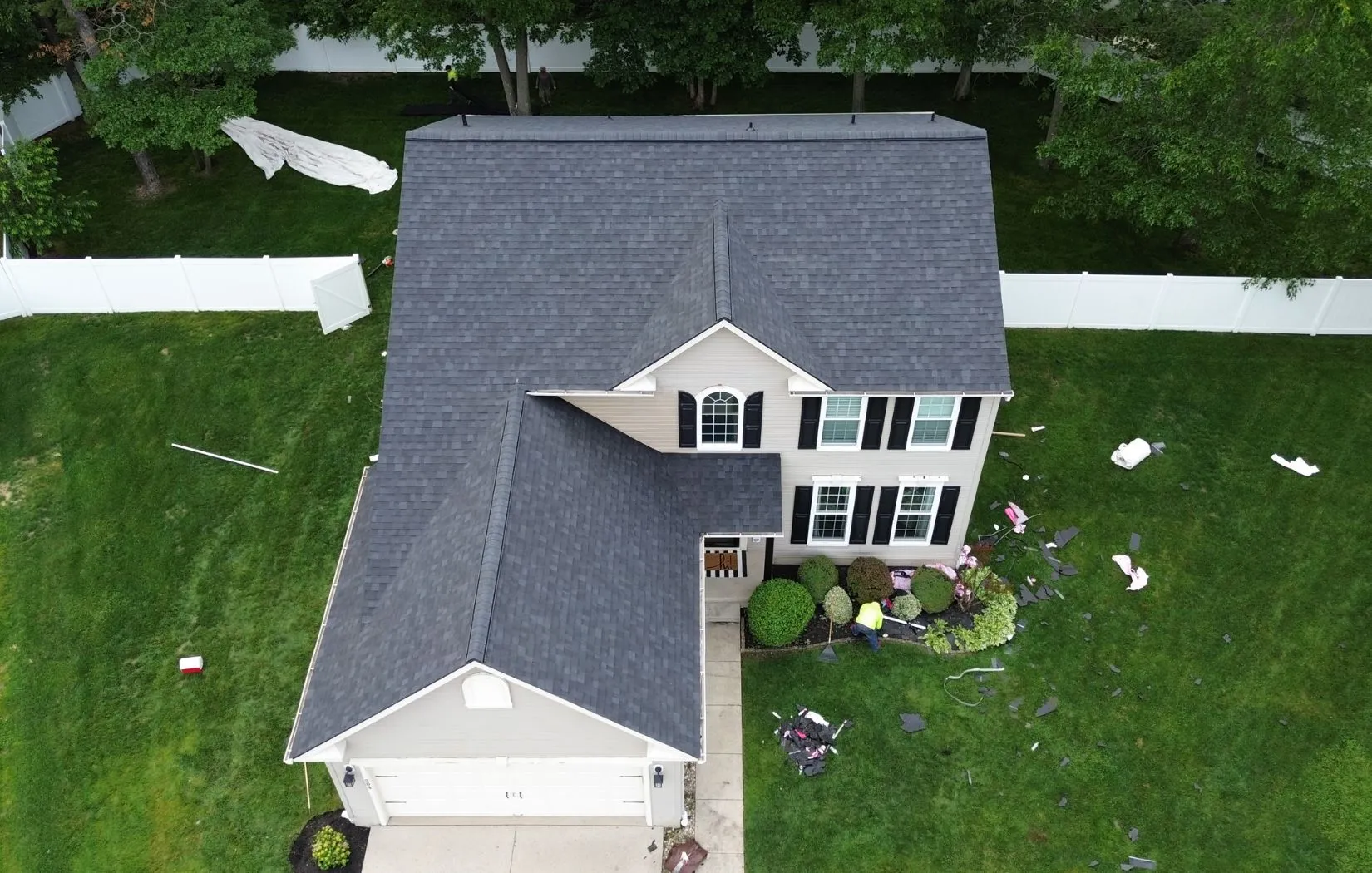
Protect Your Home With a Professional Roof Inspection From Apex East Roofing
At Apex East, our South Jersey roots go back multiple generations. We’re committed to providing superior service and treating our customers like family. Here are just a few of the reasons local property owners keep calling us back season after season:
- No money down financing
- Owens Corning Platinum Preferred Contractor
- GAF certified for TPO roofing
- Englert certified for standing seam metal roofing
- Fortified Roof™ certified
- Licensed and insured
- Winner of the 2026 Owens Corning Pinnacle Innovation Award
Our team is proud to provide reliable new roof installations, replacements, and repairs. Contact us today to schedule your free inspection.
Upgrade to the Beauty and Durability of Standing Seam Metal Roofing With Apex East Roofing
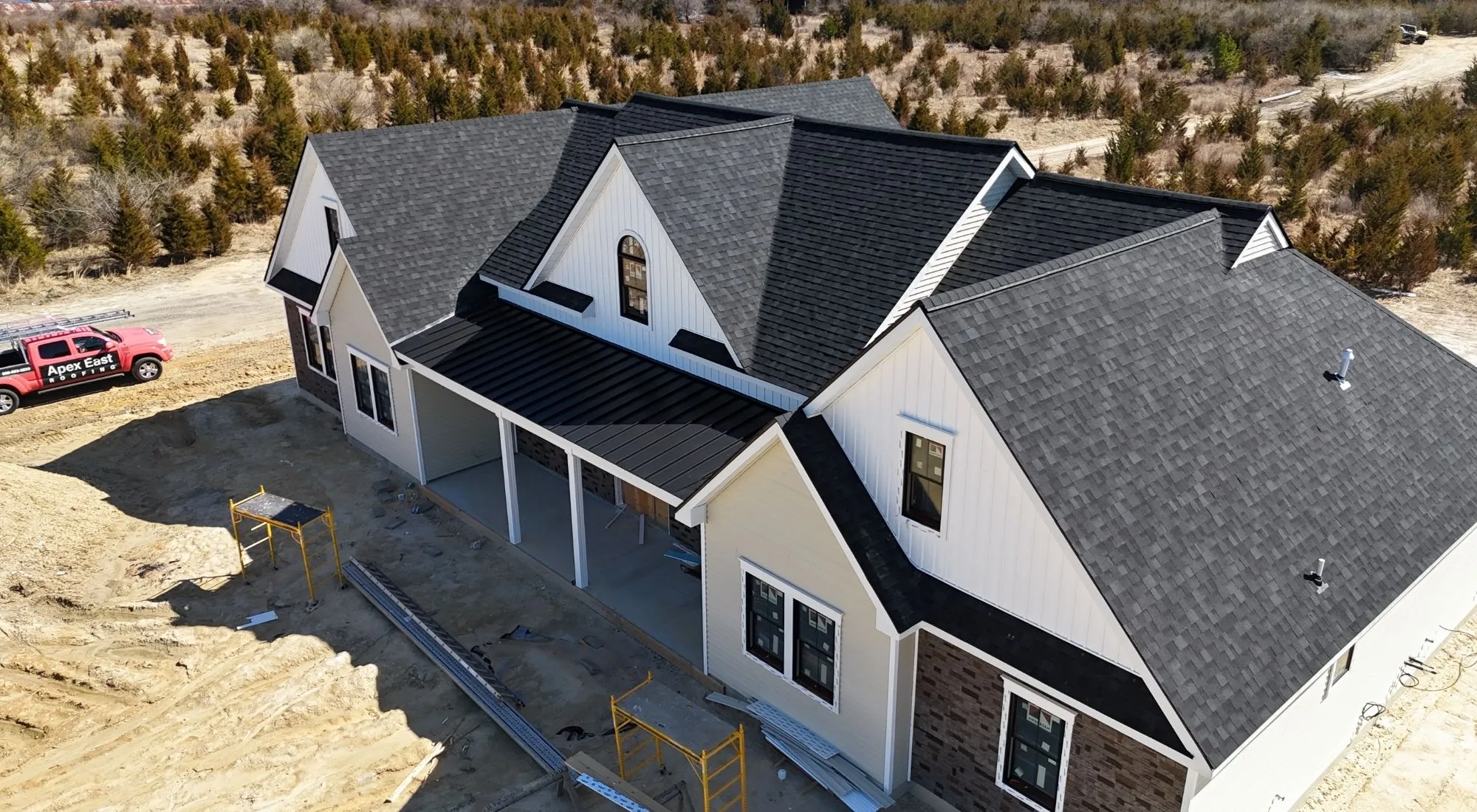
A standing seam metal roof can give your property a clean, modern look while providing long-term durability and weather protection. The right results, however, depend heavily on the condition of your roof, the materials selected, and the quality of the installation.
Apex East Roofing installs standing seam metal roofing for homes and commercial properties throughout South Jersey. Our team keeps customers informed throughout the process with photos, videos, and drone imagery before, during, and after installation, so you can see important details that may no longer be visible once the roof is complete.
As the only FORTIFIED Roof™ Certified contractor in New Jersey, Apex East Roofing also brings added knowledge of roofing practices designed with severe weather performance in mind.
If you are considering standing seam metal roofing, request a free roof inspection with Apex East Roofing. Our team can evaluate your current roof, explain your options, and help determine whether standing seam metal roofing is the right fit for your property.