Choosing a roofing material can feel complicated when every option promises durability, attractive results, or long-term value. The best choice is not necessarily the most expensive material or the one used by a neighbor. It must fit the property, climate, budget, and owner’s priorities.
Understanding how roofing materials differ makes that decision much more manageable. Comparing their appearance, advantages, limitations, cost, and lifespan can reveal which options provide the right balance for a particular home or commercial building.
This guide examines nine roofing options, including asphalt shingles, metal, tile, slate, wood, composite products, green roofs, and solar roofing. It also answers common questions about flat, commercial, and metal roofs so property owners can make an informed choice.
What Is the Best Roofing Material?
The best roofing material depends on the property, climate, budget, and owner’s preferences. Appearance matters because asphalt shingles, metal, slate, tile, and wood each complement different architectural styles. Maintenance expectations may also influence the decision.
Climate is another major factor. In South Jersey, roofing must withstand rain, wind, snow, sunlight, and changing temperatures. Your budget should include both the installation price and long-term value, since a costlier material may last longer and require fewer replacements.
The structure’s purpose and design are equally important. Sloped homes commonly use shingles or metal, while commercial and low-slope buildings may require thermoplastic polyolefin (TPO), ethylene propylene diene monomer (EPDM), or another flat roofing system. Roof pitch, drainage, and weight capacity can also limit the options.
Apex East Roofing can evaluate these factors during a free inspection and help property owners select an appropriate roofing material.
9 Options for Roofing Materials
#1: Asphalt Shingles
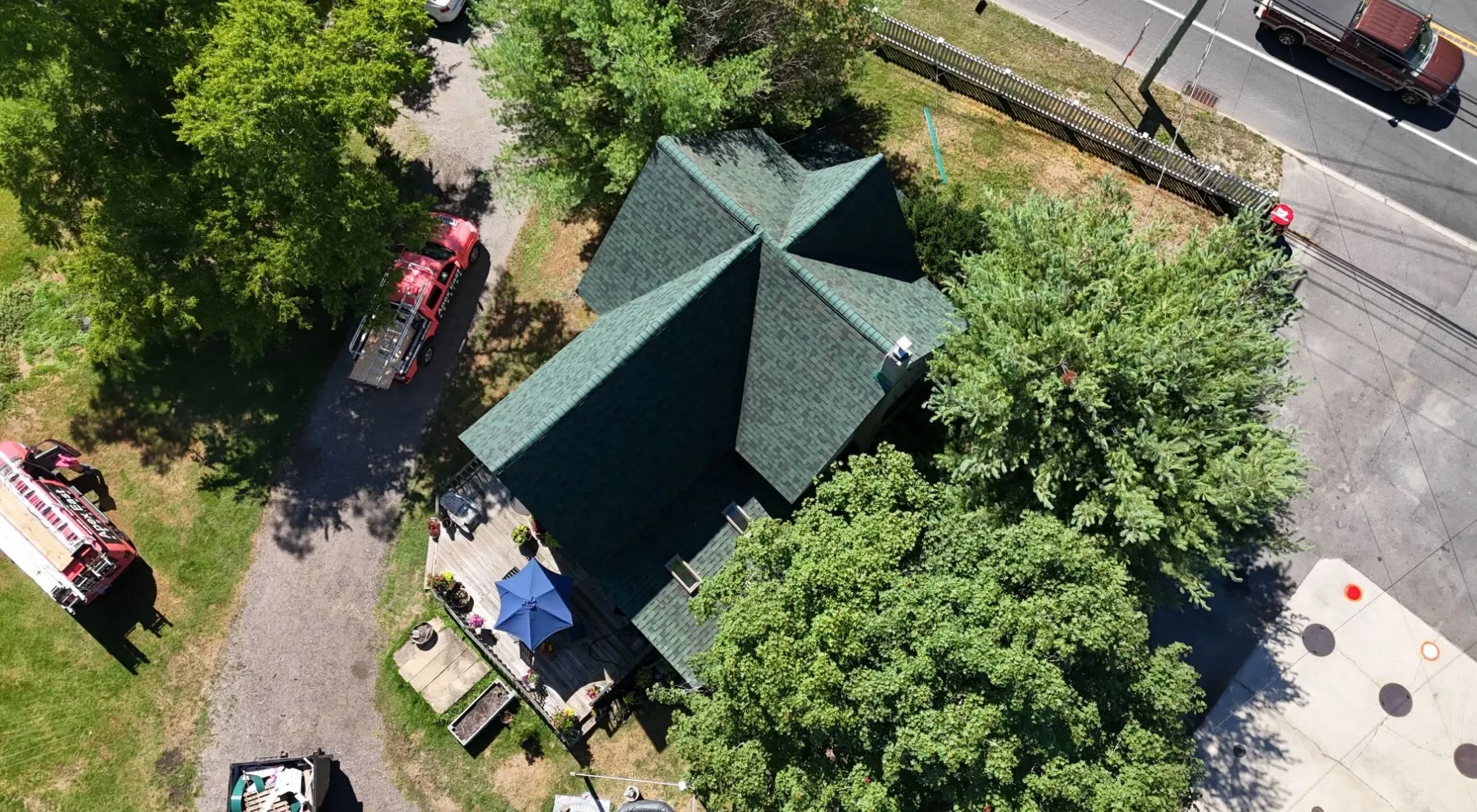
Asphalt shingles are the most common residential roofing material in the United States. Most modern shingles have a fiberglass base coated with asphalt and protective granules.
- Appearance: Available in many colors and profiles, including flat three-tab and dimensional architectural shingles
- Pros: Affordable, widely available, versatile, and relatively easy to repair
- Cons: Basic shingles can appear flat and generally do not last as long as metal, tile, or slate
- Best-suited home style: Traditional, suburban, ranch, Colonial, and Craftsman
- Cost: Approximately $1.30 per roofing square, excluding installation
- Lifespan: Usually becomes less wind resistant after 10 years, but can last between 20 and 30 years
Apex East Roofing installs Owens Corning shingles for South Jersey homeowners seeking an attractive, practical, and cost-conscious roofing system.
#2: Metal Roofing
Metal roofing is available as interlocking shingles or standing seam panels. Standing seam systems feature raised vertical joints that create crisp lines and help direct water from the roof. Common materials include galvanized steel, Galvalume, aluminum, zinc, and copper.
- Appearance: Available in numerous colors and finishes; metal shingles can imitate slate, wood shakes, or traditional shingles
- Pros: Durable, weather-resistant, lightweight, and available in styles that suit many properties
- Cons: Costs more upfront than asphalt shingles and may dent from hail or impact; proper installation requires specialized experience
- Best-suited home style: Farmhouses, Colonials, coastal, , contemporary and houses with simple or steep rooflines
- Cost: Standing-seam roofing typically costs around $4 per square foot, excluding the installation cost
- Lifespan: Approximately more than 40 years with proper installation and maintenance
Apex East Roofing installs standing seam metal roofs for South Jersey homeowners seeking lasting performance and a clean, distinctive appearance.
#3: Clay Tiles
Clay tiles are shaped and fired from natural clay. They are available in flat, ribbed, scalloped, and traditional barrel profiles, often featuring warm terracotta tones.
- Appearance: Textured and distinctive, with colors ranging from orange and red to brown and muted neutrals
- Pros: Long-lasting, fire-resistant, and able to withstand sun, wind, and harsh weather
- Cons: Expensive, heavy, and brittle; some homes require structural reinforcement, and tiles must be rated for climates with freezing temperatures
- Best-suited homes: Mediterranean, Spanish, mission, and southwestern
- Cost: Approximately $10 – $20 per roofing square for materials alone
- Lifespan: Can last 100 years or longer when correctly installed and maintained
#4: Concrete Tiles
Concrete tiles are made from sand, cement, and water. They can be molded into barrel, ridged, or flat profiles and may imitate clay, slate, or wood roofing.
- Appearance: Available in numerous shapes and colors, from traditional curved tiles to clean, square-edged designs
- Pros: Durable, fire-resistant, resistant to rot and insects, and effective at deflecting sunlight
- Cons: Heavy and considerably more expensive than asphalt shingles; roof may need structural reinforcement, and individual tiles can crack from impact
- Best-suited home styles: Mediterranean, mission, Spanish, southwestern, suburban, and modern
- Cost: Starts at $8 per roofing square without installation
- Lifespan: Typically 30 – 50 years with proper installation and maintenance, although the underlayment may require earlier replacement
#5: Slate
Slate roofing consists of thin pieces of natural stone cut into shingles. Its rich texture and subtle color variations create an elegant, traditional appearance.
- Appearance: Commonly available in black, gray, green, red, and purple tones
- Pros: Exceptionally durable, naturally fire-resistant, recyclable, and resistant to mold and rot
- Cons: Among the most expensive roofing materials, extremely heavy, may break under impact, may require structural reinforcement, and must be installed by a specialist
- Best-suited home styles: Colonial, Victorian, Tudor, Gothic Revival, and European-inspired
- Cost: Approximately $10 – $35 per roofing square when installed
- Lifespan: Generally more than 100 years, although high-quality hard slate can last well beyond a century
#6: Wood Shingles/Shakes
Wood shingles and shakes are commonly made from cedar or redwood. Shingles are machine-cut for a smooth, uniform appearance, while hand-split shakes have a thicker, more rustic texture.
- Appearance: Natural wood tones that gradually weather to a silvery gray
- Pros: Distinctive, warm, and made from a natural material that complements historic and rustic architecture
- Cons: Requires regular maintenance, may split, rot, or develop mold in damp conditions, fire codes may restrict its use ( fire-resistant products are available)
- Best-suited home styles: Cape Cod, cottage, bungalow, Craftsman, Tudor, and Colonial
- Cost: Approximately $6 – $11 per square foot depending on the wood and the installation costs in your area
- Lifespan: Around 30 years with proper installation and consistent maintenance
#7: Composite Shingles
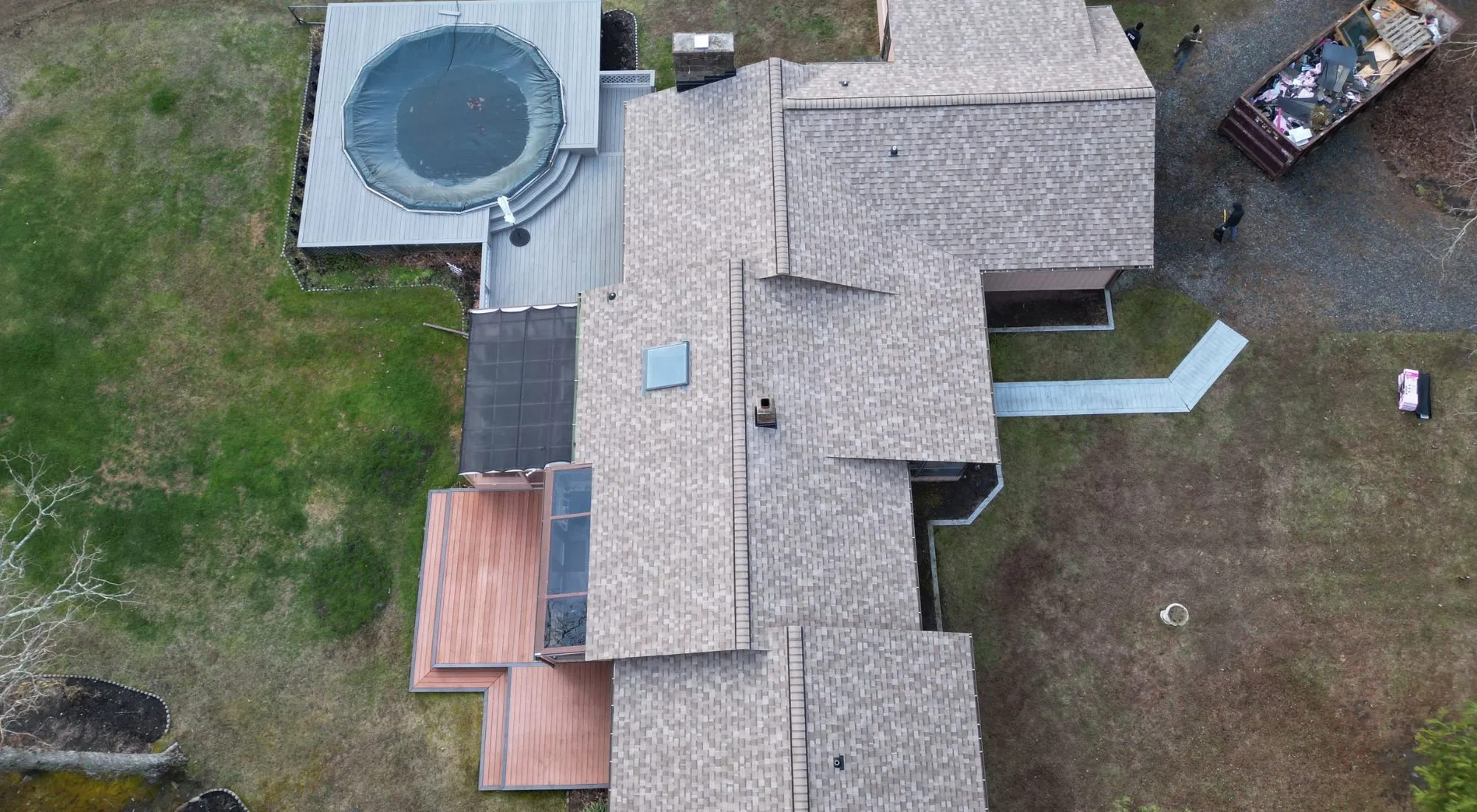
Composite shingles are manufactured from combinations of materials such as polymers, rubber, asphalt, or clay. They are designed to recreate the appearance of natural roofing materials without their weight or price.
- Appearance: Can closely resemble slate, cedar shakes, or traditional shingles in various colors and textures
- Pros: Lightweight, versatile, easier to install than natural slate, and generally more affordable
- Cons: Quality varies by manufacturer, some products may fade or crack after impact, smooth styles can also become slippery when covered by snow or ice
- Best-suited home styles: Colonial, Craftsman, Tudor, cottage, contemporary
- Cost: Approximately $14 per roofing square, depending on the product and installation
- Lifespan: Usually around 30 years, with warranties varying by manufacturer
#8: Green Roof
A green roof is a layered system installed over a waterproof membrane. It typically includes drainage, a root barrier, growing material, and hardy vegetation such as succulents.
- Appearance: A living surface covered with low-growing plants
- Pros: Helps manage stormwater, provides insulation, reduces roof surface temperatures, and protects the underlying membrane from sunlight
- Cons: Requires specialized installation, adequate structural support, irrigation in some cases, and ongoing plant maintenance
- Best-suited properties: Flat or low-slope commercial buildings, contemporary homes, and informal cottage styles
- Cost: Approximately $10 to $30 per square foot, although it is estimated that the cost of installing a green roof is 3 times more expensive than simply maintaining it
- Lifespan: A properly installed and maintained system may last around 40 years, although plants and individual components may need earlier replacement
#9: Solar Panels
Traditional solar panels are mounted over an existing roof, while solar shingles generate electricity as part of the roof covering itself.
- Appearance: Panels remain visible above the roof, whereas solar shingles resemble dark asphalt shingles for a more integrated look
- Pros: Generates renewable electricity, may reduce household energy costs, and solar shingles provide a lower-profile alternative to conventional panels
- Cons: Solar shingles are expensive, produce less energy than many panel systems, require specialized installers, and may also affect roofing warranties
- Best-suited home styles: Solar shingles complement most architectural styles, while performance depends more on roof orientation, slope, shading, and available space
- Cost: Solar shingles may cost approximately $20,000; conventional panel pricing depends on system size and electrical output
- Lifespan: Most solar panels and shingles last approximately 25 to 30 years
Before installation, homeowners should confirm how solar equipment may affect their roof warranty and verify the solar company’s insurance coverage.
FAQs About Roofing Materials
What Is the Best Material for a Flat Roof?
TPO is often a strong all-around choice for a flat roof because it is durable, reflective, and installed with heat-welded seams. EPDM may be preferable when flexibility and affordability are priorities, while PVC can suit buildings exposed to chemicals or grease.
Apex East Roofing installs TPO, EPDM, and PVC flat roofing systems.
What Is the Best Commercial Roofing Material?
The best commercial roofing material depends on:
- Building’s slope
- Operations
- Budget
- Energy-efficiency goals
TPO is a popular option for flat or low-slope commercial buildings, while EPDM, PVC, metal, shingles, and combination systems may suit other properties.
Apex East Roofing evaluates each structure before recommending a system.
What Is the Best Metal Roof Material?
Steel is often the best metal roofing material for balancing strength, longevity, availability, and cost. Aluminum offers greater corrosion resistance for coastal properties, while copper and zinc provide distinctive appearances at higher prices.
Apex East Roofing installs standing seam metal roofing, which uses raised, interlocking seams to help resist water intrusion.
Trust Apex East Roofing To Install the Best Roofing Material for Your Home
Choosing the right roofing material is easier when you have a contractor willing to explain what your property actually needs. Apex East Roofing provides free inspections for residential and commercial properties throughout South Jersey, offering shingles, standing seam metal, TPO, EPDM, and other roofing solutions.
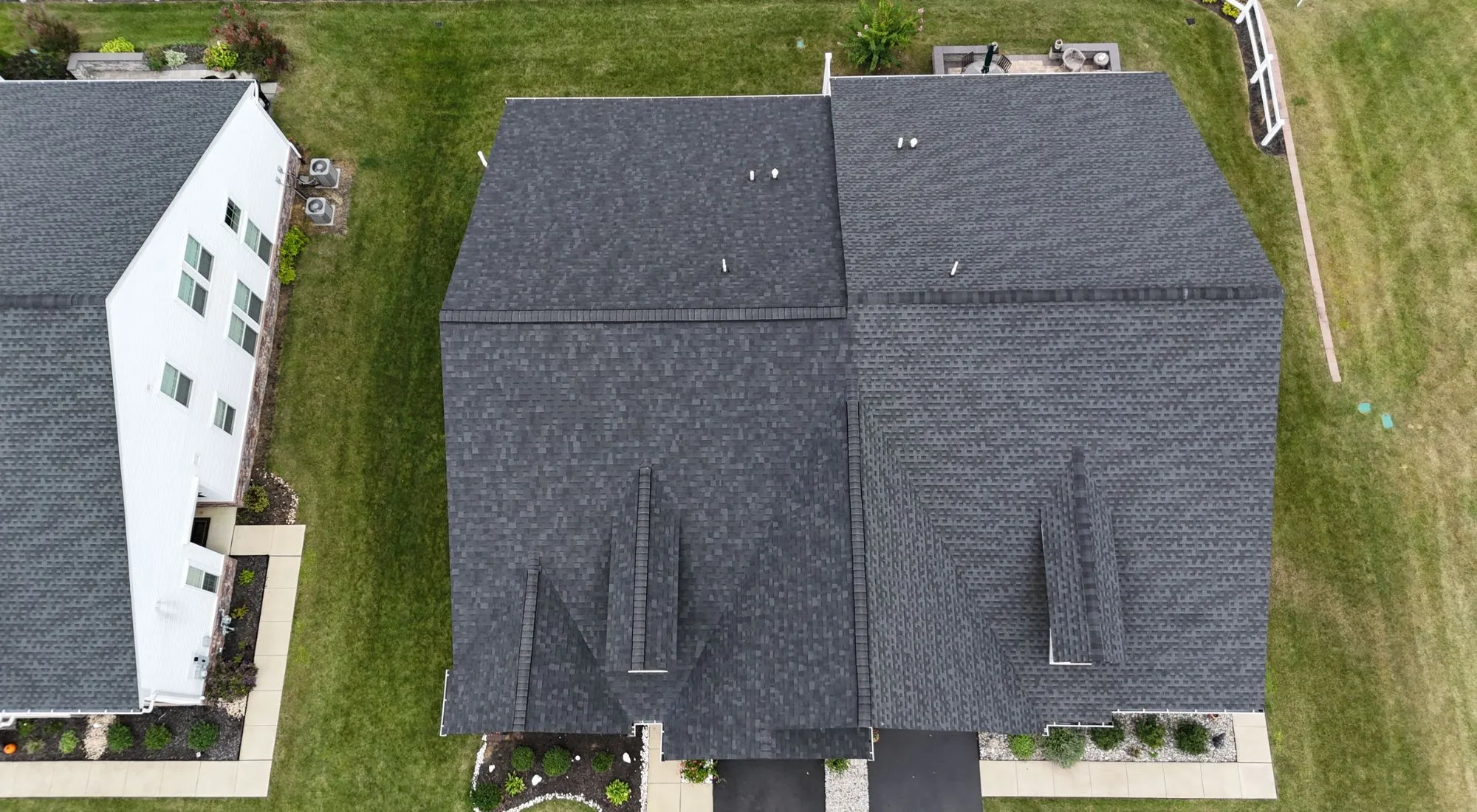
As New Jersey’s first FORTIFIED Certified Roofer, the team understands how to build stronger roofing systems while maintaining the approachable service of a local company. During installation, Apex sends customers real-time photos and videos, while drones capture the project before, during, and after completion. From the recognizable pink trucks to the honest recommendations, every detail reflects the company’s commitment to clear communication.
Request a free inspection from Apex East Roofing to identify your best roofing options and begin planning a repair, replacement, or new installation.